27 Cozy Study Space Ideas That’ll Make Back To School A Breeze
Back-to-school season always feels like hitting the reset button. New books, new routines, and most importantly, a fresh space to buckle down and actually get things done.
But let’s be honest—studying at the kitchen table with siblings running around or perching on the edge of your bed never really works long-term.
What you need is a study nook that feels inviting, organized, and designed for focus.
1. Dedicate a Corner Desk Setup
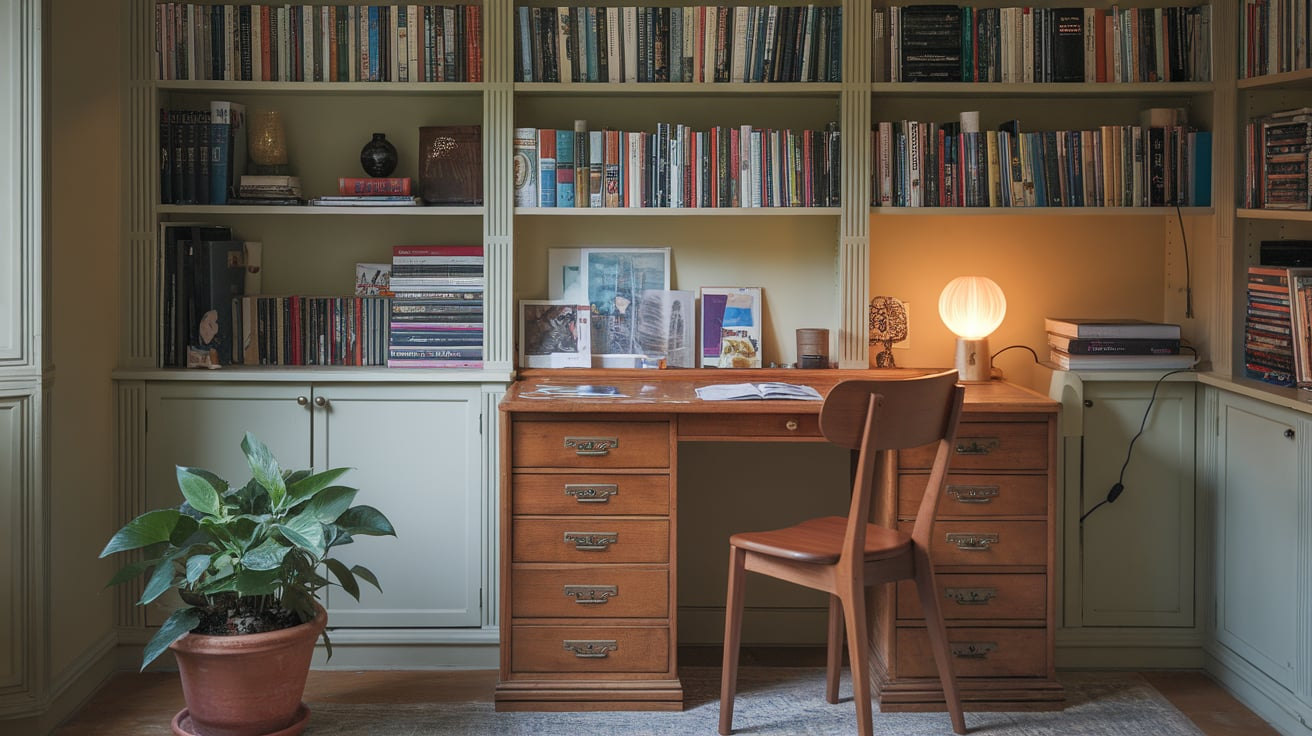
Sometimes, all you need is a corner. A corner desk maximizes even the smallest room and creates a tucked-away nook that feels private.
According to a 2022 study by the National Sleep Foundation, students who separate their study and relaxation spaces report 25% better concentration levels. So if your desk is shoved against your bed right now, try shifting it into a corner—it works like a mental boundary line.
2. Add Soft Lighting Instead of Overhead Glare
Overhead lights are the enemy of cozy. Swap them for warm desk lamps, string lights, or a standing lamp.
A Harvard Health study found that warm-toned lighting in workspaces reduces eye strain and even improves mood. It’s not just about ambiance—your brain literally processes information better when you’re comfortable.
3. Use a Bulletin Board for Visual Organization
A bulletin board isn’t just for pinning motivational quotes—it’s your command center. Post assignment lists, exam dates, and reminders in one spot.
When I was in college, my board became my secret weapon; instead of juggling random sticky notes, everything was visible at a glance. Trust me, it saves time and stress.
4. Add a Plush Chair Cushion
If your chair feels like it belongs in a medieval torture chamber, your study sessions won’t last long.
A plush seat cushion or ergonomic chair pad can make hours at the desk feel like minutes. Research from Cornell University shows that poor seating is one of the top reasons for study burnout. Comfort directly impacts productivity.
5. Bring in Plants for a Natural Boost
A little greenery goes a long way. NASA’s Clean Air Study found that plants like snake plants and pothos not only purify the air but also increase attentiveness and reduce stress. Place one by your desk, and suddenly that late-night essay feels less suffocating.
6. Create a Minimalist Setup
Minimalism isn’t about being boring—it’s about keeping only what helps. Clear your desk of random mugs, old notebooks, and clutter.
A Princeton University study discovered that visual clutter competes for your attention, making it harder to focus. A minimalist study space equals a decluttered brain.
7. Use Floating Shelves for Vertical Storage
If your desk feels cramped, build upward. Floating shelves are lifesavers for small rooms. Store textbooks, bins, and even a little décor up top. This frees desk space for actual studying instead of piling everything into chaotic stacks.
8. Add a Cozy Rug Underfoot
Cold floors don’t exactly scream “study oasis.” A soft rug instantly warms up the space, both literally and visually. Rugs also absorb sound, which means fewer distractions if your house is noisy. Think of it as wrapping your study zone in a comfort blanket.
9. Use a Rolling Cart for Supplies
Instead of scattering pens, notebooks, and chargers everywhere, corral them in a three-tier rolling cart. It’s mobile, so you can park it next to your desk or wheel it to another room. Organization becomes effortless when everything has a home.
10. Personalize with Inspirational Wall Art
Surround yourself with images or quotes that keep you motivated. A Psychology Today article explains that visual cues like positive affirmations actually help train your brain to focus and persist longer. Hang up a few prints that speak to your goals.
11. Keep a Cozy Blanket Nearby
This one sounds simple, but hear me out. A soft throw draped over your chair makes the study corner feel inviting. When late nights hit, it’s like a little hug keeping you grounded. Just avoid studying in bed—it blurs the line between focus and rest.
12. Invest in Noise-Cancelling Headphones
If you share your home with loud siblings, barking dogs, or a Netflix-loving roommate, noise-cancelling headphones might save your sanity.
Studies show that background noise can lower cognitive performance by up to 40%. A good playlist or ambient sounds can transport you into your own study bubble.
13. Use Drawer Organizers for Desk Supplies
Instead of rummaging through messy drawers, add compartment organizers for pens, sticky notes, and chargers. Small habits like this prevent wasted minutes looking for basics. Remember: the less time spent hunting for supplies, the more brainpower left for actual studying.
14. Add a Scent Element
Your nose is secretly tied to memory. According to research from the University of Northumbria, scents like rosemary and peppermint can enhance memory retention. A candle, diffuser, or even a small sachet near your study space might just help that chemistry formula stick.
15. Try a Lap Desk for Flexible Studying
Not all studying needs to happen at a formal desk. A lap desk lets you read or type comfortably from the couch or armchair. It’s perfect for when you need a change of scenery without completely abandoning structure.
16. Install Under-Desk Cable Management
A tangle of cords can make any space feel chaotic. Use cable clips, sleeves, or under-desk trays to keep wires out of sight. A clean visual space often equals a calmer mindset.
17. Create a DIY Whiteboard Wall
Whiteboards aren’t just for classrooms. Paint a small wall section with whiteboard paint or hang a board for brainstorming, doodling, and jotting down deadlines. Writing things out physically has been shown to improve memory compared to typing notes.
18. Go for Warm Neutral Colors
Paint or decorate with warm neutral tones like beige, cream, or light taupe. Studies in color psychology suggest these hues reduce anxiety and promote focus compared to stark whites or neon brights. It’s like giving your eyes a soft place to land.
19. Add Task Lighting with Adjustable Lamps
A bendable lamp lets you angle light exactly where you need it. Whether it’s highlighting textbooks or focusing on laptop work, task lighting prevents squinting and headaches during long hours.
20. Incorporate Natural Light Whenever Possible
Nothing beats sunlight. A study from the Journal of Clinical Sleep Medicine showed that students exposed to natural daylight during study sessions had better sleep quality and focus. Try setting up your desk near a window, and you’ll feel the difference.
21. Keep Snacks and Water Nearby
Hydration and brain fuel matter more than you think. Research from the British Journal of Nutrition found that dehydration can reduce cognitive performance by up to 20%. Keep a water bottle and healthy snacks within reach so you don’t interrupt your flow every 20 minutes.
22. Add a Vision Board for Long-Term Motivation
Studying isn’t just about today’s homework—it’s about future goals. A vision board with pictures of your dream college, career, or milestones can act as a quiet motivator. When procrastination sneaks in, your future self on that board gives you a nudge.
23. Create Zones Within Your Room
If your bedroom doubles as your study area, separate zones. Place a rug under the desk, use a divider, or even rearrange furniture. Zoning tricks your brain into switching modes—work at the desk, relax on the bed.
24. Add a Small Clock or Timer
Timers like the Pomodoro technique (25 minutes of work, 5-minute break) improve productivity by preventing burnout. A simple desk clock helps you keep track without relying on distracting phone notifications.
25. Bring in Cozy Textiles for Layers
Think cushions, curtains, or even a soft chair cover. Layering textures transforms a sterile desk corner into a cozy sanctuary. It’s like turning a bland salad into a full meal—details matter.
26. Use a Standing Desk Option
Sometimes, sitting for hours drains energy. A standing desk or convertible riser adds flexibility. Studies show alternating between sitting and standing improves focus and reduces fatigue during study marathons.
27. Personalize with Small Touches
Finally, make the space yours. Whether it’s a framed photo, a favorite mug, or a quirky desk toy, personal touches build emotional connection to your study zone. The more you love your space, the more likely you’ll actually use it.
Conclusion
Creating a cozy study space isn’t about expensive furniture or Instagram-worthy aesthetics—it’s about building an environment where your brain feels calm, your body feels comfortable, and your focus stays sharp.
Back to school doesn’t have to feel overwhelming. With a little intention, you can turn your study nook into a place that supports both productivity and peace. And when your space feels like a sanctuary, every assignment, project, or exam becomes just a little bit easier to tackle.