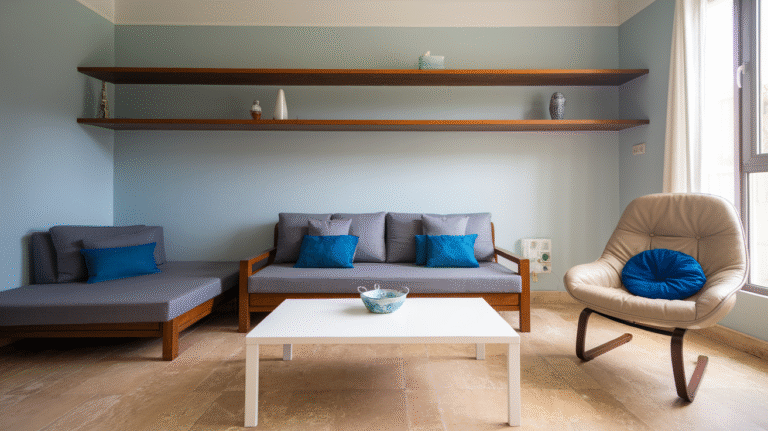
26 Small Space Living Room Design Ideas
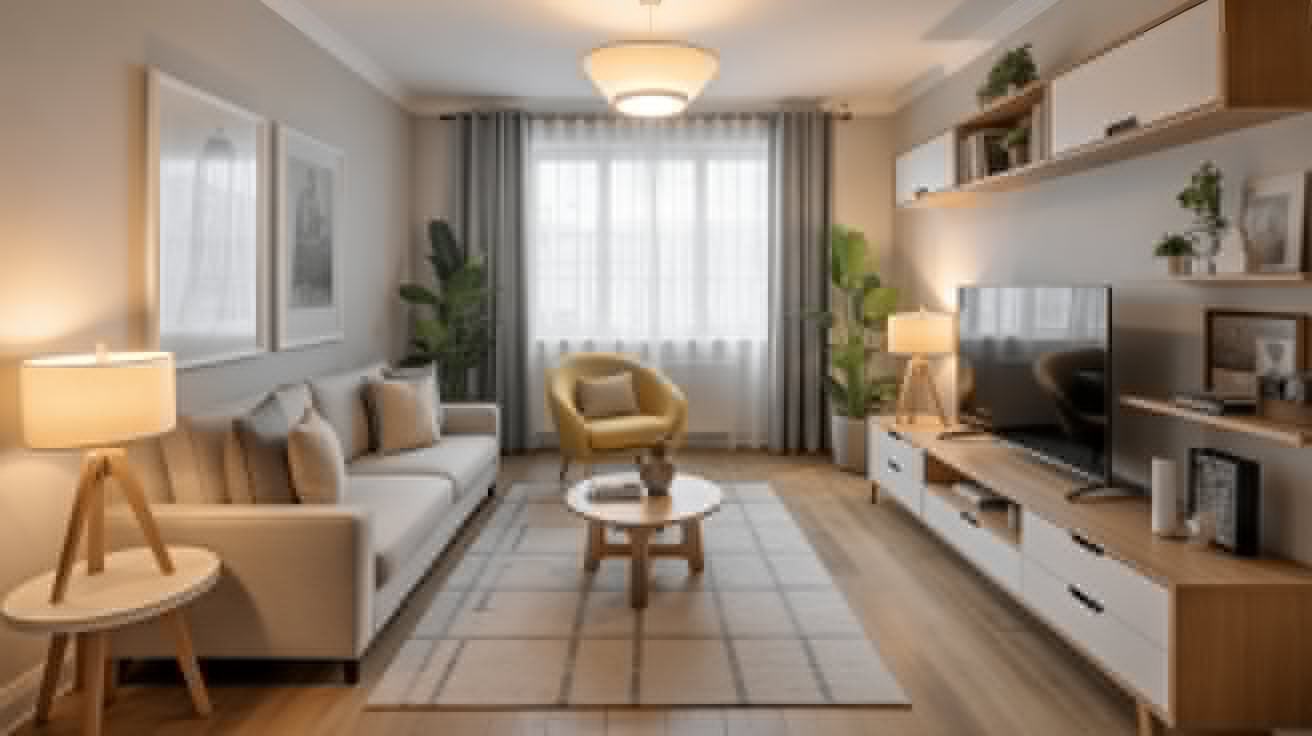
Living in a small space doesn’t mean sacrificing comfort, style, or functionality. With the right design tricks, clever furniture choices, and smart use of color, your compact living room can look and feel just as spacious and stylish as any large one.
Whether you’re decorating a cozy apartment, a tiny home, or simply dealing with a smaller-than-expected floor plan, these will help you make the most of every inch — and some of them might surprise you (wait until you see #10!).
1. Embrace Light, Neutral Colors
Light and neutral tones such as white, beige, cream, or soft gray can instantly make a small living room feel larger. These hues reflect light, opening up the space visually. Add texture with throws, rugs, and cushions in similar shades for depth without cluttering the palette.
2. Choose Multi-Functional Furniture
When space is limited, every piece of furniture should earn its keep. Think storage ottomans, coffee tables with drawers, or sofas with hidden compartments. A sleeper sofa can double as a guest bed — perfect for small apartments.
3. Use Mirrors to Create Depth
Mirrors are a small-space secret weapon. They reflect light and create the illusion of more room. Try hanging a large mirror opposite a window to bounce natural light throughout the space, or go for mirrored furniture for subtle shine.
4. Mount Your TV on the Wall
Free up valuable floor space by mounting your TV instead of using a bulky media console. Wall-mounted shelves below the TV can still offer storage without overwhelming the room.
5. Go Vertical With Storage
When you can’t expand outward, go upward! Floating shelves, tall bookcases, and wall-mounted cabinets draw the eye upward and make the room feel taller. This trick helps maximize storage while keeping the floor clear.
6. Opt for a Loveseat Instead of a Sofa
Full-sized sectionals may look cozy, but they can overpower a small living room. Instead, choose a stylish loveseat or apartment-sized sofa. Pair it with an accent chair or pouf for flexible seating.
7. Choose Leggy Furniture
Furniture with exposed legs — like mid-century modern designs — creates a sense of airiness. Being able to see more floor space underneath makes the room appear less cramped.
8. Keep Window Treatments Minimal
Heavy curtains can close off a space. Instead, opt for sheer drapes, linen curtains, or even skip them entirely if privacy isn’t an issue. Allowing natural light to flood in will make your room feel bigger and brighter.
9. Use Rugs to Define Zones
In open-concept or multipurpose spaces, area rugs can help define zones without walls. Choose a rug large enough to fit under the front legs of your furniture — this anchors the layout and creates visual harmony.
10. Float the Furniture (Seriously!)
Here’s the small-space secret most people overlook: you don’t have to push all your furniture against the walls! Floating your sofa or chairs slightly inward can actually make the space feel larger by creating natural flow and balance. Add a slim console table behind the sofa for extra storage and style.
11. Go Big With Art
It might seem counterintuitive, but one large piece of artwork often makes a room feel more spacious than several small ones. A bold statement piece draws the eye upward and outward, creating a sense of grandeur.
12. Choose a Light, Streamlined Coffee Table
Glass or acrylic coffee tables are excellent for small living rooms — they visually “disappear,” helping your space look open. Alternatively, try nesting tables you can tuck away when not in use.
13. Add Built-In Shelving
Custom or semi-custom built-ins are a game-changer. Whether flanking a fireplace, surrounding a TV, or lining one wall, they add tons of storage without taking up extra floor space.
14. Play With Scale
Not every piece in a small room has to be tiny. Mixing one or two larger items (like an oversized armchair or art piece) with smaller pieces creates visual contrast and prevents the space from looking too “miniature.”
15. Incorporate Foldable or Stackable Furniture
For ultra-small spaces, flexibility is key. Folding chairs, drop-leaf tables, or stackable stools can be tucked away when not needed. These adaptable pieces make entertaining easier without permanent clutter.
16. Use Light Fixtures Creatively
Skip bulky floor lamps and opt for wall sconces or pendant lights. These free up surface space and add personality. Layer your lighting — ambient, task, and accent — to make the room feel dynamic and warm.
17. Stick to a Cohesive Color Palette
Too many competing colors can make a small living room feel chaotic. Stick to two or three main tones and incorporate them across furniture, décor, and textiles for a unified, calm look.
18. Make Use of Corners
Corners often go underutilized. Transform one into a cozy reading nook with a small chair and lamp, or add corner shelves for plants, books, or décor. Every inch counts in a small space!
19. Opt for Sliding or Pocket Doors
If possible, replace swinging doors with sliding or pocket versions. This simple swap frees up wall space for furniture or storage while keeping walkways clear.
20. Bring in Natural Elements
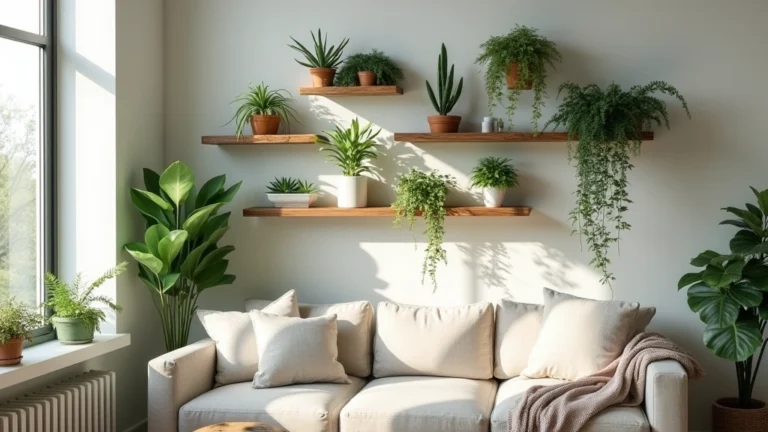
Plants, wooden textures, and woven baskets can make even a tiny room feel vibrant and inviting. Opt for vertical plant stands or hanging planters to save floor space while adding organic warmth.
21. Create Symmetry
Balanced layouts visually expand the space. Try matching lamps on either side of the sofa or hanging twin art pieces for symmetry. This trick creates harmony and order, making the room appear larger.
22. Hide Clutter With Clever Storage
Clutter is the enemy of small spaces. Baskets, bins, and hidden storage compartments help keep things tidy. Choose furniture that conceals chaos — like a lift-top coffee table or an ottoman with a lid.
23. Add Reflective Finishes
Mirrors aren’t the only way to add shine. Metallic accents, glossy furniture, or glass surfaces can reflect light and make your living room sparkle. A mirrored tray or brass lamp adds instant sophistication.
24. Use Artwork Strategically
Hang art slightly higher than eye level to draw the eye upward and create a feeling of height. Vertical wall art or gallery arrangements emphasize the room’s dimensions and break up blank wall space.
25. Keep Pathways Clear
Resist the temptation to overfill your space. Maintain open walkways to ensure easy movement through the room. A clutter-free layout not only looks larger but feels more comfortable too.
26. Think Minimal — but Not Boring
Finally, adopt a “less is more” mindset. Choose fewer but higher-quality pieces that you truly love. Focus on statement décor items and streamlined furniture. Then, layer textures like linen, velvet, and wood to keep things visually interesting.
Conclusion
A small living room might seem like a design challenge, but with creativity and smart planning, it can be one of the coziest, most functional spaces in your home.
By maximizing vertical storage, using mirrors, choosing the right furniture, and maintaining a cohesive color palette, you can turn your tiny living area into a big design statement.
Remember: it’s not about how much space you have, but how you use it. So go ahead — try a few of these, and watch your home transform into a stylish, clutter-free oasis that truly feels bigger and brighter than ever.