16 Small Living Room Ideas That Will Make You Wish You Lived Here!
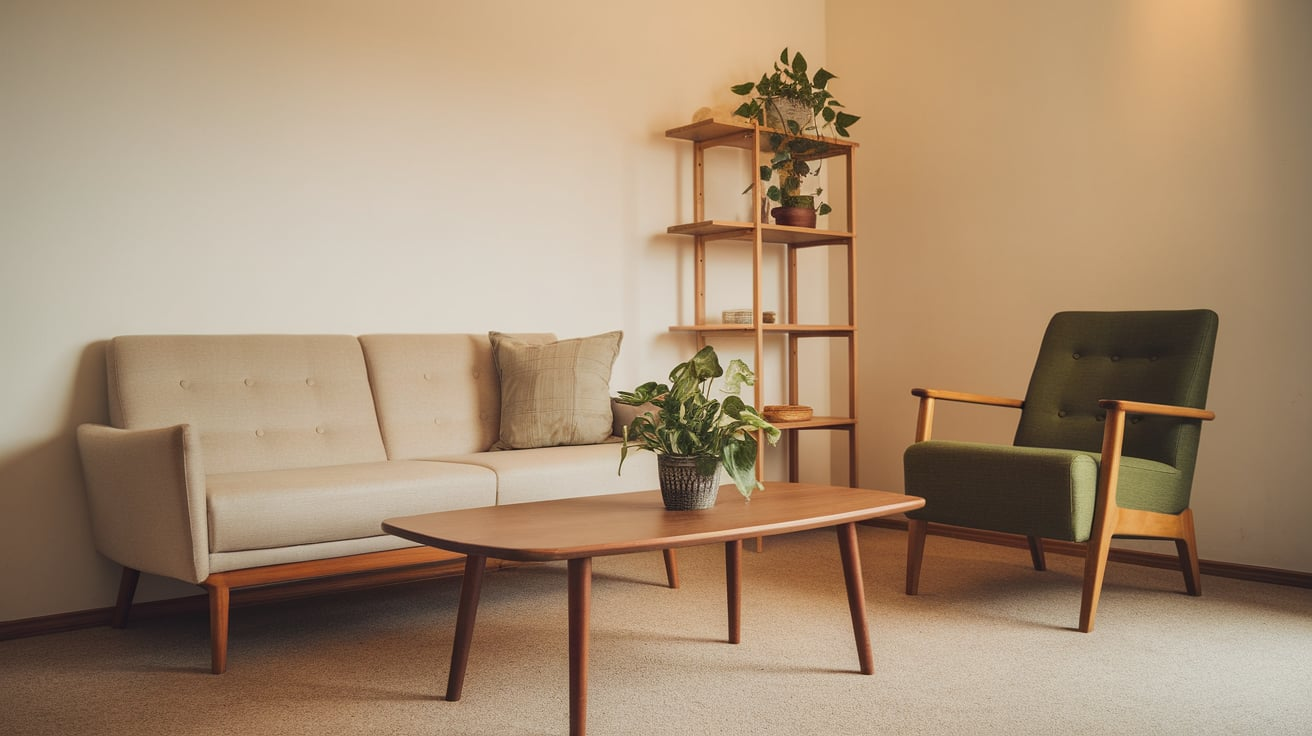
Designing a small living room isn’t about settling for less—it’s about discovering how to do more with what you already have.
When every inch matters, creativity takes the driver’s seat. Over the years, I’ve lived in spaces ranging from shoebox apartments to compact townhouses, and I can tell you—small doesn’t mean boring.
In fact, it can mean smarter design, cozier vibes, and clever functionality that larger rooms sometimes lack. Let’s dive into 16 small living room ideas that will help you fall in love with your space, no matter its size.
1. Embrace Light and Neutral Colors
Colors set the stage for how a room feels. In small living rooms, light and neutral shades are your best allies.
Whites, creams, soft grays, and beiges open up a room, making it appear larger and airier. Think of it as giving your walls a deep breath of fresh air.
When I painted my first tiny apartment living room in soft white, friends swore the room had doubled in size.
According to a Houzz survey, 63% of homeowners prefer lighter palettes for smaller spaces because they create visual continuity and avoid breaking up the room into choppy sections.
2. Use Mirrors to Create the Illusion of Space
A mirror isn’t just for checking your hair before heading out—it’s a magician in disguise for small rooms.
Placing a large mirror opposite a window reflects natural light and makes the space look twice its actual size.
Design experts often recommend oversized mirrors or even mirrored furniture. In fact, the use of mirrors in interior design has been proven to increase perceived room size by up to 30%. It’s like having an instant room-expander without the construction cost.
3. Opt for Multi-Functional Furniture
In a small living room, every piece of furniture should pull double duty. Think ottomans with hidden storage, sofa beds, or coffee tables with shelves underneath.
I once lived in a studio where my ottoman stored extra blankets, acted as a coffee table, and occasionally became seating for friends.
According to Statista, 67% of consumers in urban areas say they prefer multi-purpose furniture because it maximizes functionality without sacrificing style.
4. Go Vertical with Storage
When floor space is limited, look up. Vertical storage—like tall bookshelves, floating wall shelves, or mounted cabinets—draws the eye upward, giving the illusion of height.
Instead of crowding your floor with bulky storage, let your walls do the heavy lifting.
A study from IKEA found that vertical shelving can increase usable storage space by 40% in compact homes. It’s like turning your walls into superheroes that save the day.
5. Keep It Clutter-Free
Clutter is the kryptonite of small living rooms. Too many items—be it décor, magazines, or unnecessary knickknacks—make a compact space feel suffocating.
Adopt the “one in, one out” rule: for every new item you bring in, something else should go.
This prevents accumulation. Personally, I keep a small basket in my living room where random “stuff” goes. Every Sunday, I sort through it and decide what stays or leaves. The result? A space that breathes, even if it’s small.
6. Choose the Right-Sized Furniture
Oversized sofas or bulky coffee tables can overwhelm a small room. Instead, go for slim-profile furniture with exposed legs.
This trick allows light to flow under the furniture, creating a sense of openness.
A study by the National Association of Home Builders shows that 73% of millennials living in apartments prefer sleek, space-saving designs over traditional bulky pieces.
It’s proof that furniture designed with scale in mind can transform your space.
7. Create Zones with Rugs
Even in a small living room, zoning is important. Using a rug helps define areas—for example, the seating corner versus a reading nook.
Rugs also add texture, warmth, and style without taking up physical space.
In my own small home, I use a medium-sized patterned rug to anchor my sofa and chairs.
It tricks the eye into believing the area is thoughtfully designed rather than cramped together.
8. Add Floating Shelves
Floating shelves are a small room’s best friend. They give you storage and display space without taking up valuable floor area.
Whether it’s books, plants, or décor, floating shelves provide a way to showcase personality.
Research from the American Institute of Architects suggests that open shelving has gained 41% more popularity over closed cabinetry in recent years because it feels lighter and less bulky in compact rooms.
9. Play with Lighting Layers
A single overhead light can make a small living room feel flat and uninspired. Instead, add layers of lighting—floor lamps, table lamps, wall sconces, and even string lights.
This trick not only makes the room feel bigger but also adds a cozy atmosphere. According to the U.S. Department of Energy, layered lighting improves both functionality and mood in small spaces, which is why it’s now a go-to design principle.
10. Hang Curtains High and Wide
Where you hang your curtains matters more than you think. Placing them just above the window can make the room look shorter.
But when you hang curtains closer to the ceiling and extend them wider, you create the illusion of taller, more expansive walls.
Interior designers often recommend this technique, noting that it can make windows appear up to 50% larger than they actually are.
I tried this in my tiny rental, and suddenly my small windows looked grand and intentional.
11. Incorporate Glass and Lucite Furniture
Clear furniture pieces like glass coffee tables or Lucite chairs practically disappear into the room, keeping the space open and airy.
They’re like the ninjas of the furniture world—functional but barely noticeable.
Many modern designers agree that transparent furniture visually reduces clutter and blends seamlessly into tight spaces. It’s a subtle yet powerful trick to make your living room feel bigger.
12. Use Statement Art Instead of Many Small Pieces
In small rooms, lots of little art frames can look messy. Instead, go for one or two bold statement pieces. They create a focal point without overwhelming the space.
When I replaced a gallery wall of tiny photos with one oversized canvas, my room instantly felt less chaotic.
According to design experts, larger art pieces can make a room feel more sophisticated and less crowded.
13. Try Modular Furniture
Modular sofas and tables allow you to adapt your layout as needed.
This flexibility is invaluable in small living rooms where you might need to rearrange for guests, work-from-home setups, or movie nights.
The modular furniture market is projected to grow by 5.9% annually through 2030, highlighting how people in smaller urban homes increasingly rely on adaptable pieces.
14. Bring in Greenery
Plants bring life to any space, even small ones. Tall, slim plants like fiddle-leaf figs or snake plants add height, while hanging plants save floor space.
NASA’s Clean Air Study found that certain indoor plants not only look good but also improve air quality by filtering toxins. So, adding greenery isn’t just stylish—it’s healthy too.
15. Use Built-Ins When Possible
Custom built-in furniture—like shelving around a TV or storage benches under windows—maximizes every inch.
While it may require an upfront investment, the payoff in storage and aesthetics is huge.
Data from Realtor.com shows that homes with built-in features often sell faster because they make small spaces feel tailored and efficient.
16. Keep a Cohesive Color and Style Theme
Finally, consistency is key. A small living room can feel disjointed if you mix too many styles or colors.
Instead, stick to a cohesive palette and theme—whether it’s modern minimalism, boho chic, or classic cozy.
When everything feels connected, the room feels intentional rather than cramped.
Personally, I use earthy tones with light wood accents, and it keeps my small living room feeling warm but uncluttered.
Conclusion
A small living room doesn’t have to limit your style or comfort. In fact, it’s an opportunity to get creative, intentional, and resourceful.
By using light colors, mirrors, multi-functional furniture, vertical storage, and smart lighting, you can create a space that feels both cozy and spacious.
Remember: it’s not about the square footage, but how you use it. With the right design choices, your compact living room can become a place where you’ll love to relax, host friends, and simply be.
Small spaces can carry big charm—if you let them.