24 Modern Living Room Ideas to Inspire Your Next Makeover!
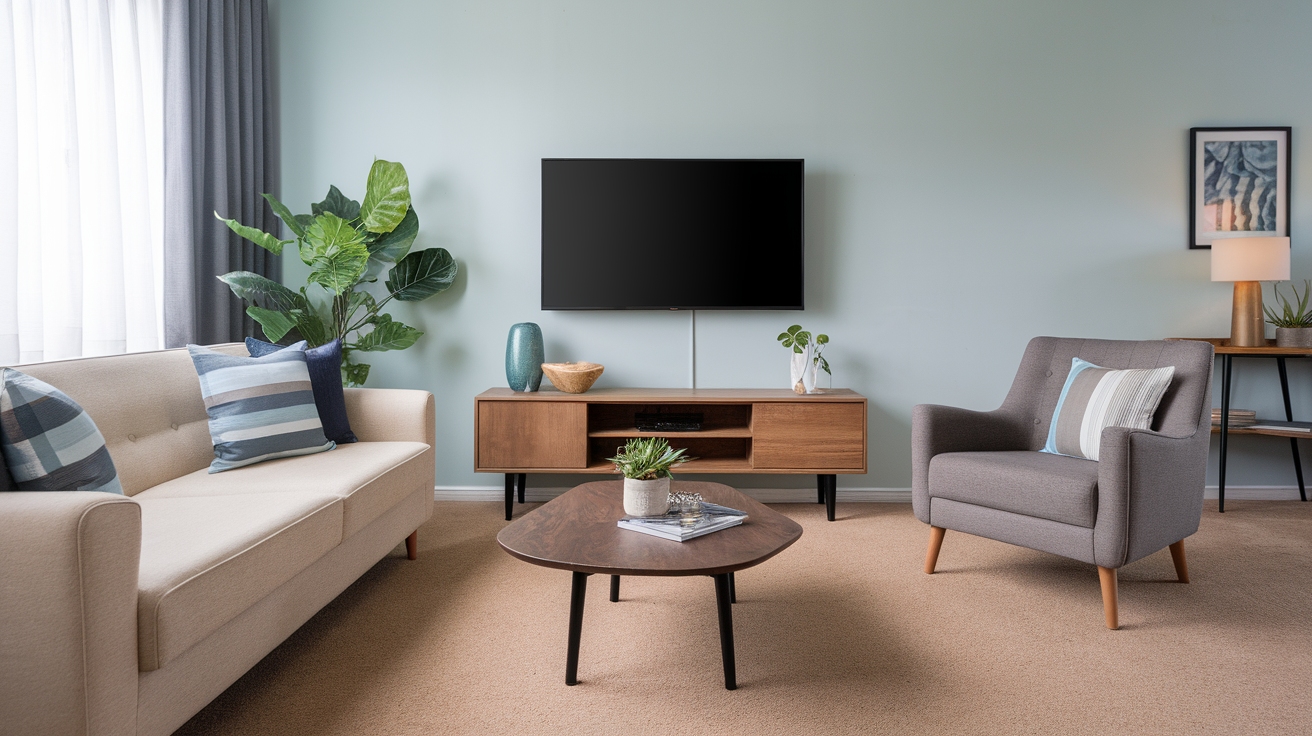
Mid-century modern design has never really gone out of style. It’s like that one friend who always manages to look effortlessly chic no matter the decade.
Born out of the post-World War II era between the 1940s and 1970s, mid-century modern design emphasizes clean lines, functionality, organic influences, and a touch of playfulness. It blends simplicity with character, making it a timeless choice for living rooms.
If you’ve been craving a living room makeover that feels both sophisticated and inviting, mid-century modern might just be your golden ticket.
1. Choose Iconic Mid-Century Furniture Pieces
Mid-century modern living rooms are built around statement furniture. Think Eames lounge chairs, tulip tables, and sleek wooden credenzas. These iconic designs combine style with comfort, ensuring they don’t just look good—they feel good too.
Investing in one or two authentic or replica pieces can instantly transform your living room. If your budget is tight, even one standout piece, like a walnut coffee table, can anchor the space.
2. Embrace Clean Lines and Minimalism
Forget the clutter. Mid-century modern thrives on simplicity and form. Furniture in this style often avoids unnecessary ornamentation. Instead, the beauty lies in sharp lines, tapered legs, and elegant proportions.
Picture a sofa with straight arms, resting lightly on slim wooden legs—that’s your mid-century mood. The less fuss, the better.
3. Mix Wood Tones for Warmth
Mid-century modern design loves natural wood finishes, especially teak, walnut, oak, and rosewood. Don’t shy away from mixing different tones. For example, a walnut sideboard can sit beautifully beside an oak coffee table.
Wood brings warmth, depth, and an organic feel to the room. It’s like wrapping your space in a cozy hug.
4. Use Neutral Bases with Bold Accents
While mid-century modern is often associated with wood and neutral palettes, it’s not afraid of bold pops of color. Start with a neutral base—think white walls, beige rugs, or gray sofas—and then layer in color through throw pillows, accent chairs, or wall art.
Mustard yellow, burnt orange, teal, and olive green are the classic retro hues that scream mid-century charm.
5. Incorporate Geometric Patterns
Geometric prints were the visual heartbeat of mid-century modern style. Whether in rugs, wallpaper, or cushions, bold geometric shapes add a playful yet structured vibe.
A rug with sharp triangular designs or curtains with repeating circles can instantly inject that 1960s flair into your living room.
6. Keep Lighting Sleek and Sculptural
Lighting in a mid-century modern living room isn’t just functional—it’s artwork in itself. Look for floor lamps with arched arms, Sputnik chandeliers, or pendant lights with clean metallic finishes.
The right lighting fixture can elevate your entire design. Bonus: sculptural lamps double as conversation starters.
7. Opt for Low-Slung Furniture
One defining feature of this design is low-slung furniture. Sofas and chairs often sit closer to the ground, giving the room an open, airy feel.
Pairing a low sofa with a rectangular coffee table keeps proportions balanced while making the room appear larger.
8. Highlight Natural Materials
Mid-century modern is rooted in the connection to nature. Materials like wood, leather, glass, and stone are staples. Even small touches—like a leather armchair or a stone-topped side table—keep the design authentic and grounded.
Natural materials age gracefully, adding character over time instead of wearing out.
9. Add Plants for Organic Balance
Greenery is the unsung hero of a mid-century living room. Think fiddle leaf figs, rubber plants, and succulents. Their bold leaves and sculptural shapes complement the clean lines of furniture.
Plants bring the outdoors in, softening the edges of your modern space with life and energy.
10. Use Functional Yet Stylish Storage
No one likes clutter, and mid-century modern solves this with clever storage. Credenzas, sideboards, and wall units are functional but beautifully designed.
A walnut sideboard, for example, hides away board games, wires, or dinnerware while still looking chic.
11. Experiment with Retro Colors
Don’t be afraid to dip your brush into retro-inspired color palettes. Earthy tones like mustard, avocado, and terracotta instantly recall mid-century vibes.
Combine these with neutrals to avoid overwhelming the room. For instance, pair a mustard armchair with a cream sofa and walnut coffee table.
12. Layer Rugs for Depth
Rugs anchor your seating area, and in a mid-century modern living room, they also add texture and depth. Go for bold patterns or shag rugs in retro tones.
Layering a plain rug with a geometric runner can also bring visual intrigue without feeling too busy.
13. Celebrate Open Floor Plans
Mid-century modern homes often embraced open layouts. If possible, arrange your furniture to create flow and openness. Avoid blocking natural pathways with bulky items.
Think of your living room as a space where conversation and connection can flow just as freely as the air.
14. Showcase Statement Artwork
Large, colorful artwork is a must-have in mid-century design. Choose abstract pieces, graphic prints, or even vintage posters. Oversized canvases in bold hues look stunning above a credenza or sofa.
Art sets the tone of your room—it’s like the cherry on top of your mid-century sundae.
15. Incorporate Glass and Metal Accents
Glass and metal were central materials during the mid-century boom. Glass-topped coffee tables, chrome lamp bases, and brass accents add sophistication while reflecting light, making the room feel brighter.
The trick is balance—too much metal can feel cold, so always offset it with wood and textiles.
16. Keep Windows Uncluttered
Mid-century modern homes loved natural light. If possible, keep window treatments minimal—sheer curtains or simple blinds work best.
This design philosophy is all about letting sunlight flood your space, enhancing the organic vibe of wood and natural textures.
17. Add Modular Shelving Units
Storage doesn’t have to be boring. Mid-century modern celebrates modular shelving systems like those by George Nelson or Poul Cadovius. These wall-mounted units are both decorative and functional, displaying books, ceramics, and art.
They’re the perfect blend of utility and style.
18. Play with Contrasting Textures
Texture is your secret weapon for preventing the room from feeling flat. Think velvet cushions, wool throws, leather sofas, and woven baskets.
Mixing textures creates depth and makes the space more tactile and inviting.
19. Use Mirrors to Amplify Space
Mirrors aren’t just for selfies—they’re essential for creating the illusion of a larger space. A sunburst mirror, in particular, is a mid-century staple that doubles as wall art.
Strategically placed mirrors bounce light around, keeping the room fresh and open.
20. Bring in Vintage Accessories
To capture the essence of mid-century, layer in vintage accessories like retro clocks, record players, or ceramic vases. These small details are what give your room authenticity and personality.
Scour thrift shops or flea markets—you’ll be surprised at the treasures you can find.
21. Create Conversation-Friendly Seating
The heart of a mid-century modern living room is its seating arrangement. Position sofas and chairs to encourage conversation, not just TV viewing.
Circular or angled setups foster intimacy and make gatherings more dynamic.
22. Balance Form and Function
Mid-century design always asks: is it beautiful and practical? That’s the golden rule. Avoid anything too ornate or purely decorative without purpose.
When choosing pieces, ask yourself: Does this serve a function? If yes, then bonus points if it also looks stylish.
23. Introduce Subtle Retro Technology
Think about incorporating modern gadgets with a retro twist. Bluetooth speakers disguised as vintage radios or smart TVs hidden in sleek wooden cabinets bridge old and new seamlessly.
You’ll enjoy modern convenience without sacrificing mid-century charm.
24. Personalize with Layers of Character
The best mid-century living rooms aren’t replicas of a showroom—they’re lived-in, layered, and personal. Add your favorite books, framed photos, quirky finds, and souvenirs from travels.
Mid-century modern is timeless, but your story is what makes the space unique.
Conclusion
Mid-century modern design is more than just a style—it’s a way of living that celebrates simplicity, function, and beauty. By mixing iconic furniture, organic materials, bold colors, and clever storage, you can create a living room that feels timeless yet personal.
Whether you start with one retro chair or dive headfirst into a full makeover, each step moves you closer to a space that balances elegance with warmth. Your living room should be both stylish and comfortable, a place where memories are made and stories unfold.
Take inspiration from these, experiment with your own touches, and soon enough, your living room will feel like it’s straight out of a mid-century dream—inviting, chic, and wonderfully you.