25 Minimalist Living Room Ideas That Will Elevate Your Interior Design Game!

Minimalism isn’t just a design trend — it’s a lifestyle that celebrates simplicity, functionality, and elegance. A minimalist living room doesn’t mean stark or boring; instead, it’s about creating a serene, clutter-free space that feels open and intentional.
1. Embrace a Neutral Color Palette
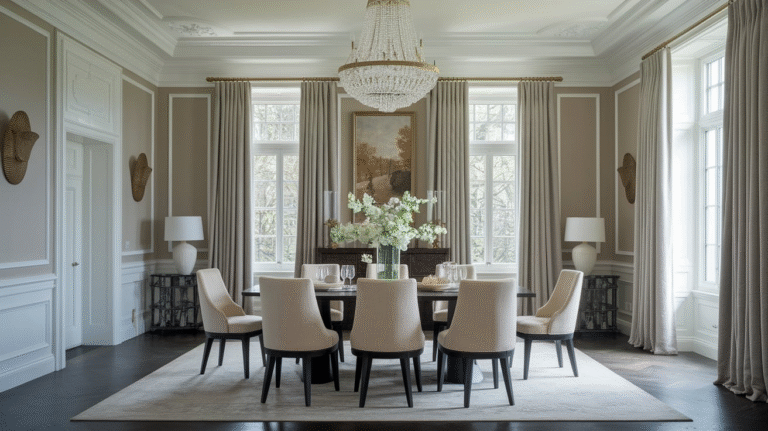
The foundation of minimalist design starts with a neutral color scheme. Think shades of white, beige, gray, and soft taupe. These tones create a serene backdrop that makes your living room feel airy and cohesive.
Add depth by mixing different shades and textures, like cream-colored rugs and warm wooden furniture.
2. Invest in Quality Over Quantity
Minimalism is all about “less is more.” Instead of filling your space with decor, invest in a few high-quality pieces that stand out. A sleek sofa, a sculptural coffee table, or an elegant floor lamp can instantly elevate your living room without overwhelming it.
3. Go for Clean Lines
Choose furniture with simple silhouettes and straight edges. Sofas with low profiles, boxy coffee tables, and angular chairs reinforce that modern, clutter-free aesthetic. Avoid ornate carvings or overly decorative elements — clean lines are the hallmark of minimalist living rooms.
4. Let in Natural Light
Minimalist spaces thrive on natural light. Keep window treatments simple — opt for sheer curtains, linen drapes, or even go curtain-free to let sunlight flood the room. The bright, open feel enhances the minimalist mood and makes the space feel more expansive.
5. Add Texture for Warmth
To prevent your minimalist living room from feeling cold or sterile, layer in textures. Combine materials like linen, wool, leather, and natural wood to add depth and warmth. A soft throw blanket or a textured rug can make the space inviting without adding visual clutter.
6. Keep Clutter Out of Sight
Storage is key in minimalist interiors. Choose furniture with built-in storage — like an ottoman with hidden compartments or a media console with closed shelving — to keep your space neat and organized. Remember, clear surfaces and clean lines equal instant calm.
7. Incorporate Natural Materials
Bring in organic touches like wooden tables, stone accents, or rattan chairs to soften the sleekness of a minimalist room. Natural materials add warmth and authenticity, creating a perfect balance between modern simplicity and cozy comfort.
8. Use a Statement Piece
Minimalism doesn’t mean void of personality. Introduce one statement piece — perhaps a sculptural chair, a large piece of abstract art, or a bold light fixture. This single focal point will command attention and add visual interest without cluttering the room.
9. Play with Negative Space
One of the secrets to minimalist design is embracing empty space. Don’t feel the need to fill every corner. The empty areas between furniture pieces or wall decor allow the room to “breathe” and make your design elements stand out more.
10. Choose Functional Decor
Opt for decor that serves a purpose. For example, a beautiful ceramic vase can hold fresh flowers, or a sleek floor lamp can double as an art piece. Functional decor ensures that every item in your space earns its place.
11. Incorporate Soft Lighting
Harsh overhead lighting can disrupt the peaceful atmosphere of a minimalist living room. Instead, layer soft lighting — think table lamps, wall sconces, or pendant lights — to create a warm, inviting glow. Choose fixtures with simple forms and natural finishes.
12. Keep Artwork Simple and Intentional
In a minimalist living room, artwork should be carefully curated. Choose a few large-scale pieces instead of a cluttered gallery wall. Abstract paintings, black-and-white photography, or line drawings work beautifully in this style.
13. Go Monochromatic
A monochromatic color scheme — where different shades of the same color dominate the space — can enhance the minimalist aesthetic. For instance, varying tones of gray or beige can add subtle contrast while maintaining a cohesive look.
14. Incorporate Greenery
A touch of nature goes a long way in minimalist design. Add a few indoor plants like a fiddle leaf fig, snake plant, or monstera to bring life and freshness into the space. Keep it simple — one or two well-placed plants are enough.
15. Use Floating Furniture
Floating shelves, wall-mounted TV units, and raised sofas can make your living room look more spacious. The open floor underneath helps the room feel light and uncluttered, perfectly in line with minimalist principles.
16. Limit Your Color Accents
When introducing accent colors, keep them minimal and intentional. A pop of black, sage green, or muted blush can add character without disrupting the calm atmosphere. The key is subtle contrast rather than bold statements.
17. Focus on Symmetry
Symmetry brings a sense of order and balance that complements minimalist design. Arrange your furniture in pairs or align decor symmetrically — for example, matching side tables on either side of the sofa or two identical lamps on a console table.
18. Add a Minimalist Rug
A rug can define your seating area while anchoring the room visually. Go for neutral tones or simple geometric patterns. Avoid bold prints that distract from the clean, cohesive look.
19. Choose Streamlined Storage Solutions
Built-in cabinetry, floating consoles, and low-profile shelves are excellent minimalist storage options. They blend seamlessly into the space while keeping everything out of sight. The goal is to create a calm environment free of visual chaos.
20. Mix Matte and Glossy Finishes
A well-balanced minimalist living room often features a mix of matte and glossy textures. Think matte walls paired with a glossy coffee table, or a linen sofa next to a sleek metal floor lamp. This combination adds depth while maintaining simplicity.
21. Opt for Multi-Functional Furniture
If you live in a smaller space, multi-purpose furniture is a minimalist must. Consider a sofa bed, a nesting table set, or a coffee table with hidden storage. These pieces maximize functionality without compromising design.
22. Keep Technology Minimal
Conceal cables, speakers, and gadgets to preserve your room’s clean aesthetic. Use cord organizers or built-in cable channels. Mount your TV on the wall or hide it behind sliding panels for a sleek look.
23. Introduce Subtle Patterns
While minimalism typically favors solid colors, subtle patterns can add character. Choose patterns like fine stripes, soft herringbone, or small geometric prints — ideally in muted tones — to keep the look understated yet dynamic.
24. Incorporate Sculptural Lighting
Lighting can be both functional and artistic. Minimalist pendant lights, linear chandeliers, or sculptural floor lamps add a touch of elegance without clutter. Choose designs that enhance your room’s architecture and add visual intrigue.
25. Personalize with Purpose
Finally, minimalism isn’t about stripping your personality away — it’s about curating it intentionally. Display a few meaningful items: a family photo, a travel souvenir, or a favorite book. Each piece should tell a story and contribute to the serene harmony of your living space.
Conclusion
Minimalism isn’t about having less — it’s about making room for more of what matters. With these you can design a space that’s stylish, functional, and endlessly soothing.
Whether you start with a neutral color palette, embrace clean lines, or focus on quality over quantity, your minimalist living room will become a true sanctuary — a reflection of balance, clarity, and understated beauty.