30 Japandi Living Room Ideas For A Minimalist Zen Retreat
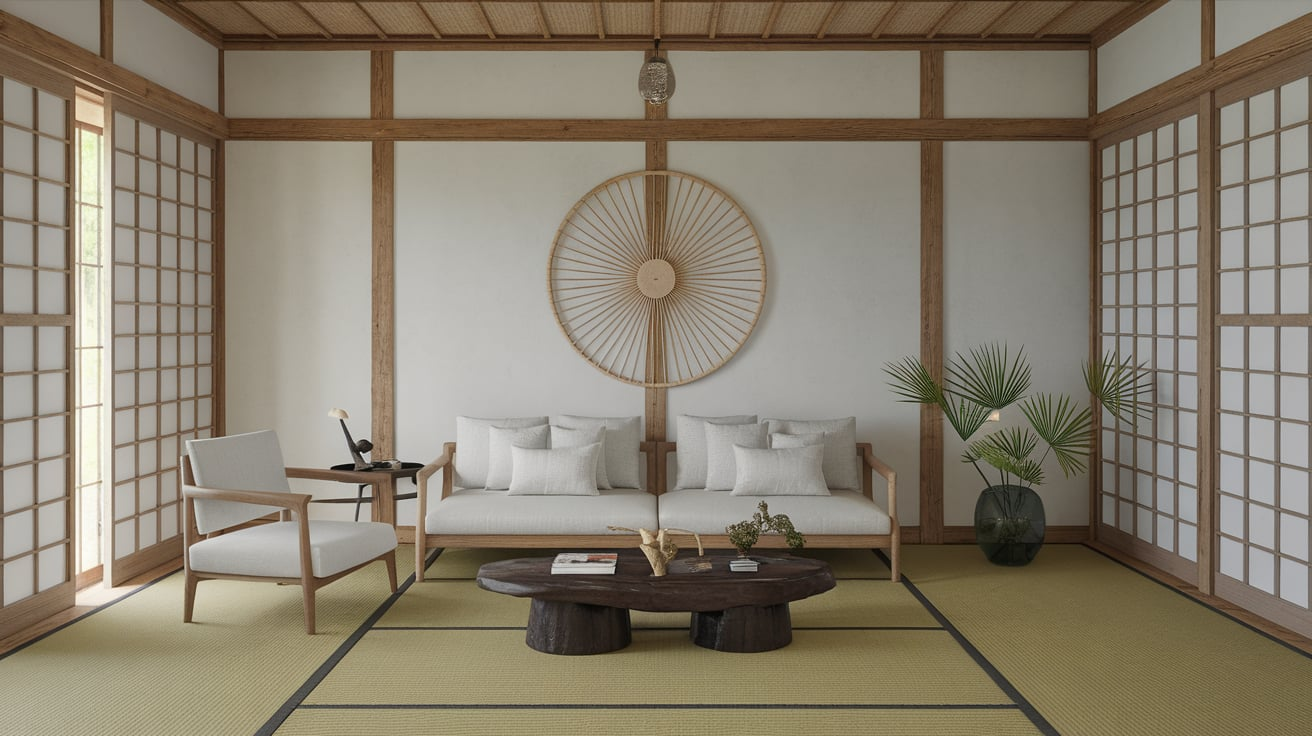
If you’ve ever found yourself torn between the simplicity of Scandinavian design and the serenity of Japanese minimalism, you’re in luck — Japandi is the perfect fusion of both worlds.
This design trend has taken over Pinterest boards and interior design magazines for its calm, clutter-free, and nature-inspired aesthetic.
In a Japandi living room, form meets function in the most peaceful way possible. Every piece has a purpose, and every texture whispers tranquility.
1. Neutral Palette With Warm Undertones
Start with a foundation of soft neutrals — think beige, taupe, stone, and sand. Unlike stark white minimalism, Japandi interiors favor warmth over sterility. Use creamy off-whites and warm greys to create a cozy, inviting tone that instantly soothes the senses.
2. Natural Wood Accents
Wood is a cornerstone of Japandi design. Choose light oak or ash for a Scandinavian feel or dark walnut and teak for a Japanese touch. Mixing these tones can create beautiful depth while maintaining a cohesive natural vibe.
3. Low-Profile Furniture
To create a grounded atmosphere, opt for low-profile sofas, coffee tables, and seating. This nod to traditional Japanese floor seating encourages relaxation and connection to the space around you.
4. Embrace Wabi-Sabi Imperfection
Japandi celebrates wabi-sabi, the beauty found in imperfection. A handmade ceramic vase, slightly uneven linen curtains, or a reclaimed wooden coffee table add soul and authenticity to the minimalist framework.
5. Soft Textures and Layered Fabrics
Balance the clean lines with soft, touchable materials — wool throws, linen cushions, or cotton rugs. Layering textures keeps your living room from feeling too cold or flat.
6. Minimal Yet Inviting Layout
Japandi interiors prioritize negative space — the art of knowing when not to fill a corner. Arrange furniture with intention and leave breathing room between pieces for an uncluttered flow.
7. Indoor Plants for Serenity
Add life and calmness with greenery. Choose plants with sculptural beauty like bonsai, peace lilies, or snake plants. They purify the air and bring in a peaceful, organic vibe.
8. Matte Black Accents
Break up the soft neutrals with matte black details — lighting fixtures, furniture legs, or decorative bowls. It anchors the light tones and adds modern sophistication.
9. Shoji-Inspired Sliding Doors
Replace traditional doors with shoji-style panels or minimalist sliding glass partitions. This Japanese element diffuses natural light beautifully and gives the illusion of more space.
10. Scandinavian Simplicity in Storage
Japandi living rooms thrive on order. Opt for built-in shelves, hidden storage benches, and clean cabinetry that maintain an uncluttered aesthetic without sacrificing practicality.
11. Light Linen Curtains
Avoid heavy drapes that block sunlight. Instead, go for linen or cotton curtains that filter daylight softly — they add to the calm, airy feeling that defines Japandi interiors.
12. Handcrafted Ceramic Decor
Ceramic pieces are quintessential Japandi decor. Think simple vases, pottery bowls, or hand-thrown mugs. Their organic shapes and textures enhance the handmade, artisanal feel.
13. Soft Ambient Lighting
Swap harsh overhead lighting for warm, layered illumination. Combine paper lanterns, floor lamps, and wall sconces to create a cozy glow that enhances the tranquil mood.
14. Tatami-Inspired Rugs
Incorporate tatami mats or jute rugs to echo the Japanese roots of Japandi design. Their subtle patterns and earthy tones complement wooden floors beautifully.
15. Minimal Wall Art
Keep wall decor understated. A single abstract painting or black-and-white photograph in a simple wood frame is enough. Remember: Japandi is about calm, not clutter.
16. Soft Curves and Rounded Edges
While Scandinavian design often features straight lines, adding curved furniture — like rounded sofas or arched lamps — brings softness and flow, enhancing the sense of harmony.
17. Layered Neutrals With Pops of Nature
Layer different shades of cream, tan, and gray, and add subtle green or clay accents through cushions or throws. These natural hues mimic the colors of earth and stone.
18. Floor Seating Nook
Create a cozy corner with floor cushions or low poufs — perfect for reading, meditating, or sipping tea. It adds an authentic Japanese touch and promotes a sense of groundedness.
19. Reclaimed and Sustainable Materials
Sustainability lies at the heart of Japandi. Use eco-friendly materials like reclaimed wood, bamboo, cork, and organic cotton to align your design choices with mindful living.
20. Streamlined Technology Integration
Hide tech devices with discreet cabinetry or cord management systems. Japandi interiors favor visual calm, so conceal anything that disrupts the natural, serene vibe.
21. Stone or Clay Decorative Elements
Natural stone sculptures, clay candle holders, or pebble trays introduce earthy textures that ground the room and evoke a spa-like zen atmosphere.
22. Focus on Functionality
Every item should serve a purpose. Choose multifunctional furniture like nesting tables or modular sofas that maximize space without overwhelming it.
23. Subtle Fragrance and Atmosphere
Enhance your Japandi retreat with essential oil diffusers or natural incense. Scents like cedarwood, sandalwood, or lavender complement the aesthetic and enhance mindfulness.
24. Open Shelving With Curated Pieces
Display only a few meaningful objects on open shelves — a favorite book, a handmade vase, a small sculpture. Negative space around each item gives it breathing room and importance.
25. Muted Artwork and Calligraphy Prints
Japanese calligraphy or minimalist abstract art adds visual interest without breaking the calm. Stick to muted color palettes and natural themes.
26. Soft Music and Natural Sounds
Japandi living is about sensory balance. A small sound system that plays ambient nature sounds or lo-fi music can enhance your daily rituals and deepen the zen experience.
27. Layered Lighting Zones
Use three lighting layers — ambient, task, and accent — to create mood and depth. A paper lantern for ambiance, a reading lamp for focus, and wall sconces for warmth make a perfect trio.
28. Minimalist Fireplace Corner
If you’re lucky enough to have a fireplace, keep it simple. Style it with smooth stones, a low bench, and minimal decor. The warm flicker of flame adds to the tranquil atmosphere.
29. Organic Shapes in Decor
Incorporate irregular, nature-inspired forms — curved bowls, asymmetrical mirrors, or pebble-shaped coffee tables. These mimic nature’s perfect imperfections.
30. Harmonious Balance of Light and Shadow
True Japandi beauty lies in contrast and balance. Allow light to dance with shadow — from sheer curtains to strategic lamp placement — to create a meditative, ever-changing visual experience.
Conclusion
Designing a is about curating calm. It’s about stripping away what doesn’t matter to reveal what truly does — harmony, warmth, and authenticity.
With these, you can transform your home into a minimalist zen retreat where simplicity reigns and serenity thrives. Every piece, texture, and tone will invite you to slow down and simply be.
After all, true luxury isn’t loud — it’s quiet. And in that quiet, the soul finds rest.