23 Genius Playroom Ideas That Spark Creativity

I know how hard it is to create a playroom that isn’t just cute, but actually useful. You want a space where your kids can play, learn, imagine, and grow without your whole house turning into a toy explosion.
I’ve been there, standing in the middle of scattered blocks and crayons, thinking there has to be a better way. And trust me, there is.
You don’t need a huge budget or a massive room to make it happen. With the right ideas, you can turn any small corner into a creative haven that keeps your kids engaged for hours.
I’m sharing these ideas because I’ve tried many of them myself, and they genuinely changed how my kids play and how peaceful my home feels.
1. Create a Dedicated Art Station
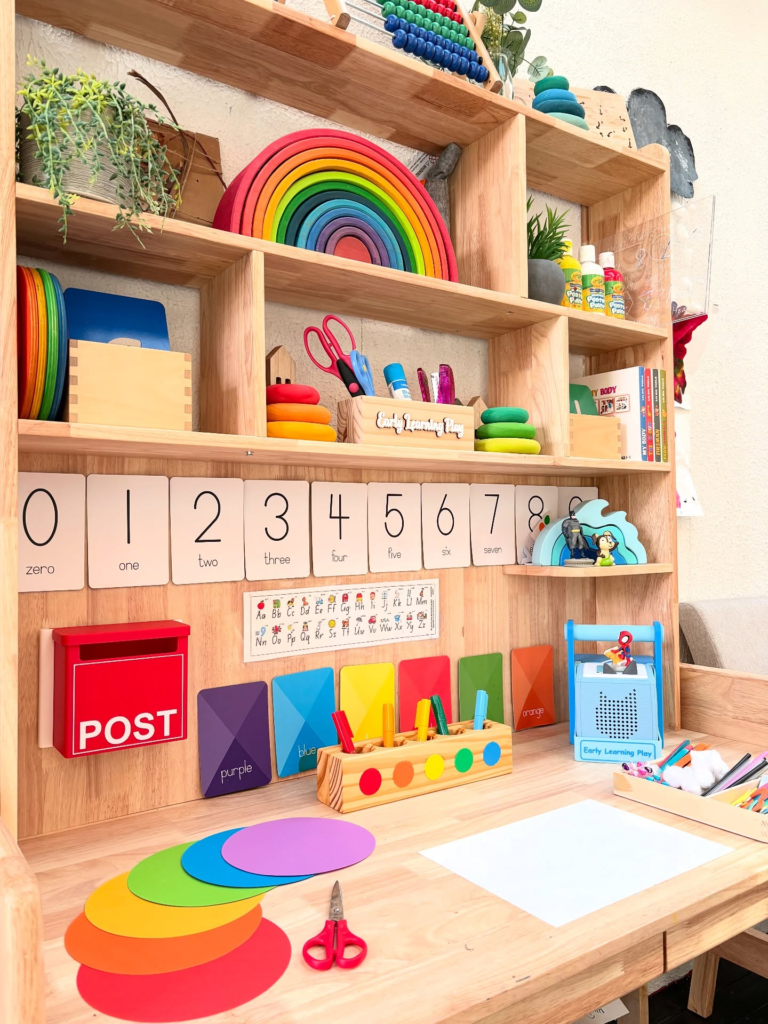
This was one of the first things I added, and it made a huge difference. I set up a small table with washable paints, crayons, markers, and paper.
You’ll notice your kids naturally spend more time drawing and crafting when everything is within reach.
I love how it gives them a sense of independence and responsibility. It also keeps messy art contained in one place instead of all over the house.
2. Use Open Shelving for Easy Access
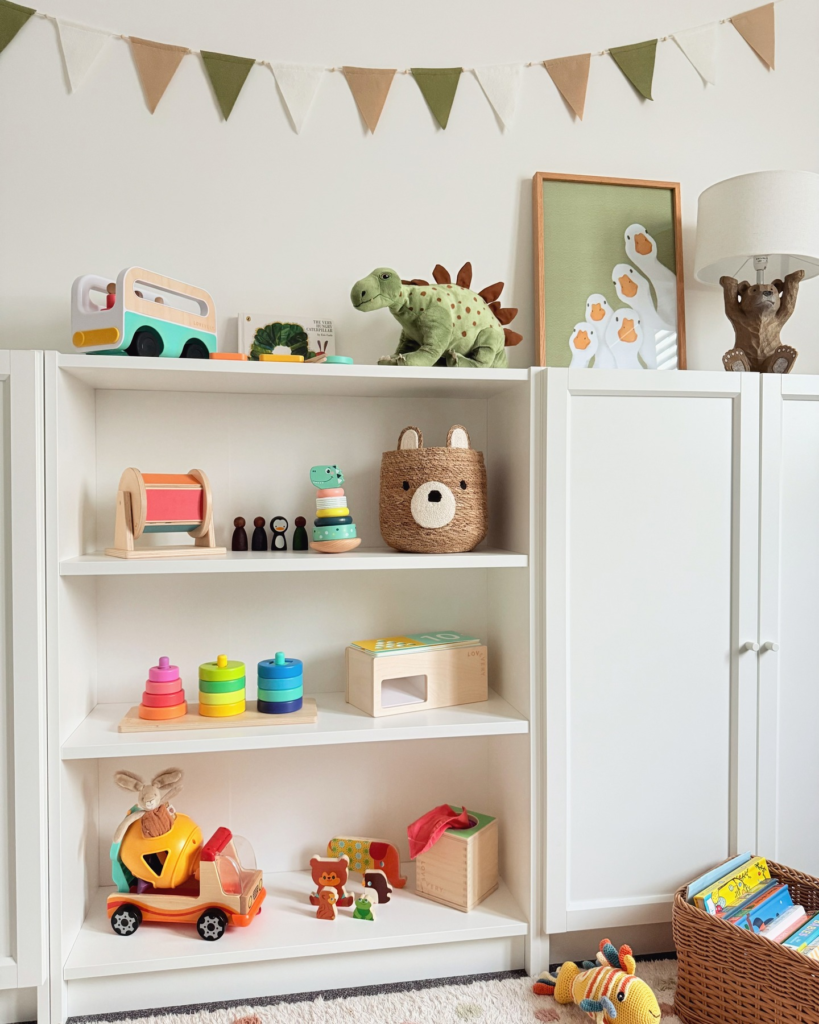
Open shelves changed the way my kids interact with their toys. When they can see everything clearly, they choose more thoughtfully instead of dumping everything out.
You can organize toys by category, which also makes cleanup easier for you. I’ve noticed they even start putting things back on their own. It turns storage into part of the learning process.
3. Add a Reading Nook
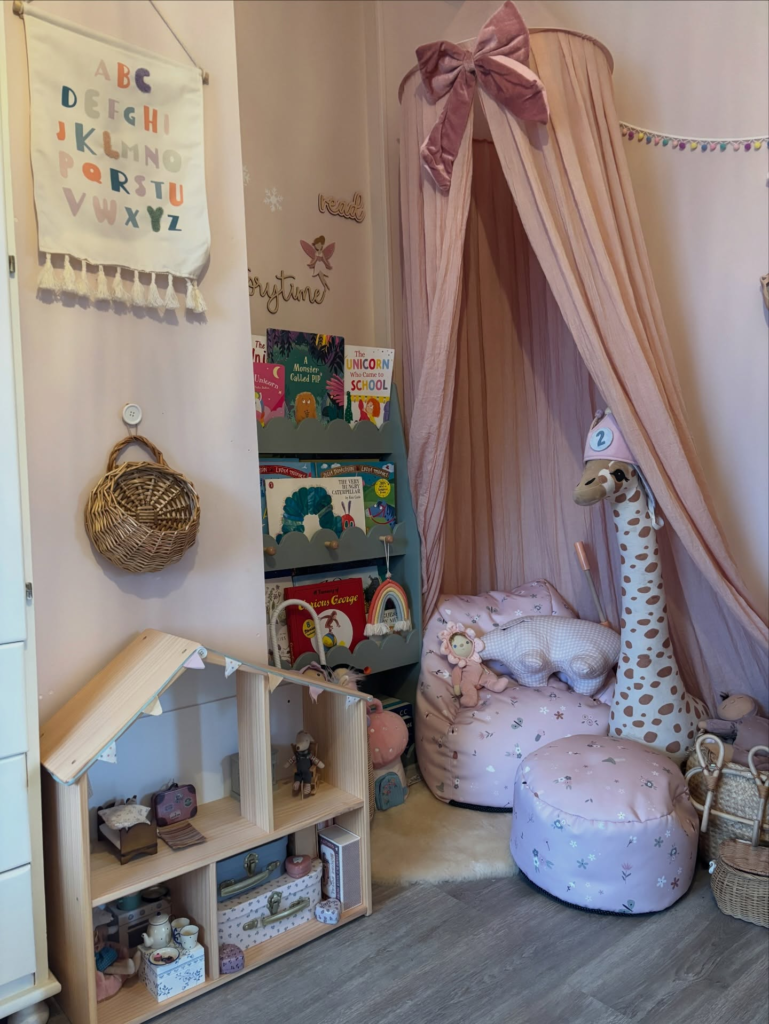
Every playroom needs a cozy corner for quiet moments. I added soft cushions, a small bookshelf, and warm lighting.
You’ll be surprised how much kids enjoy having their own little reading space. It encourages calm time and builds a love for books. For me, it’s also the perfect break spot after loud play sessions.
4. Install a Chalkboard or Whiteboard Wall
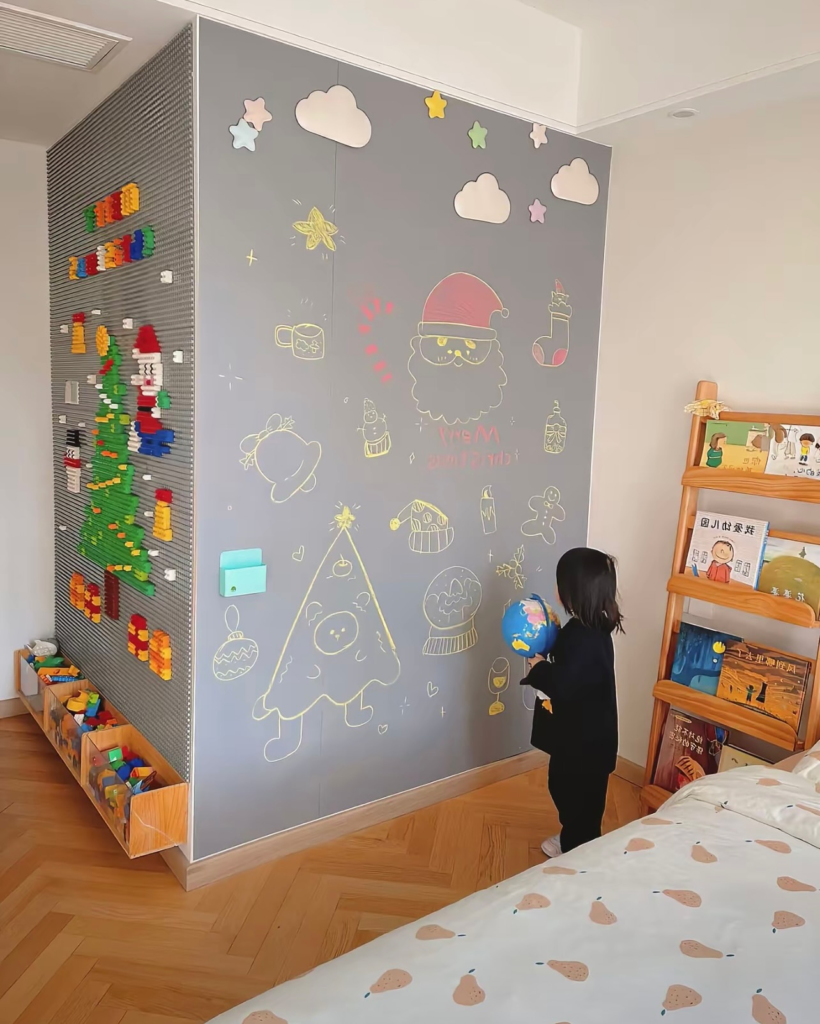
This idea is pure magic for creativity. I gave one wall chalkboard paint, and it instantly became their favorite area.
You can use it for drawing, practicing letters, or even family games. I love how it lets them express ideas freely without wasting paper. Plus, it’s easy to clean and reuse every day.
5. Use Soft Floor Mats or Rugs
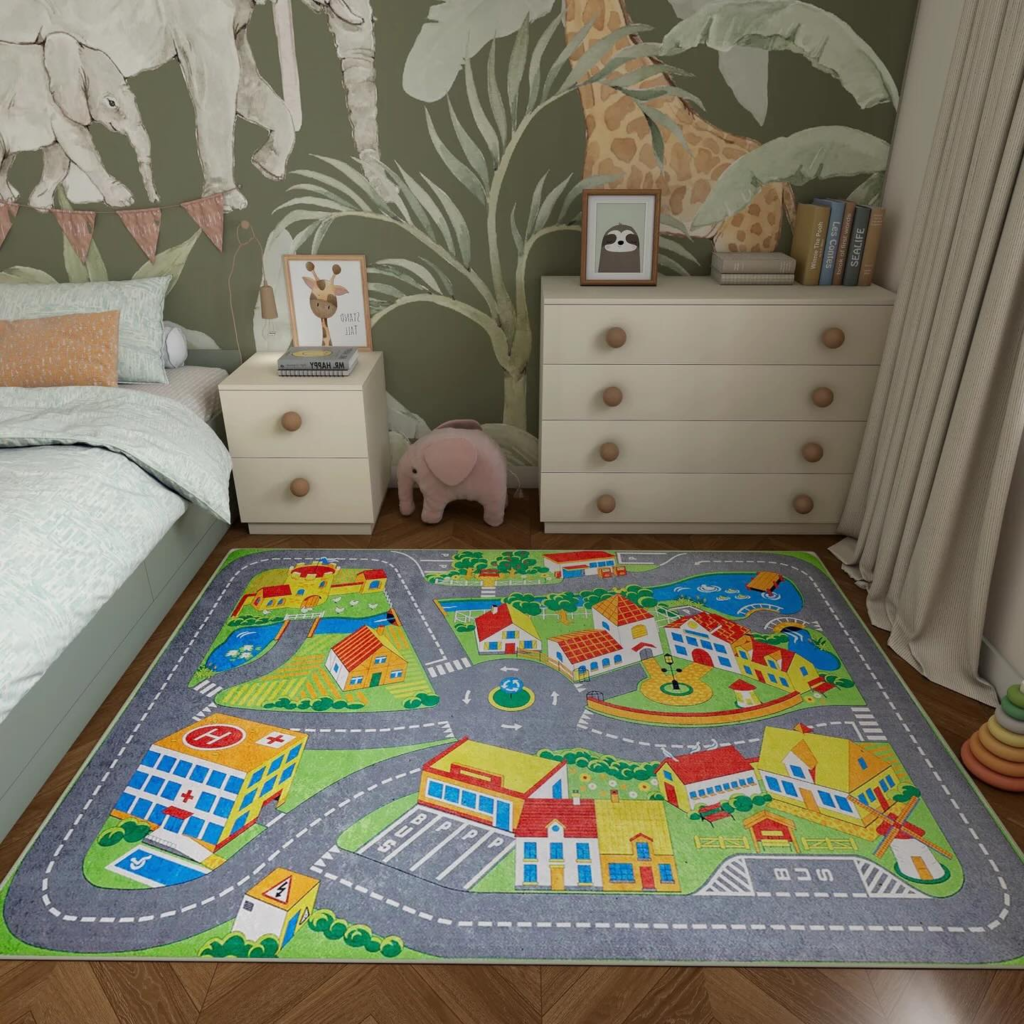
Comfort matters more than we realize. Soft mats make the space safe for sitting, crawling, and rolling around. You’ll feel more relaxed knowing they can play without hurting themselves.
I personally prefer foam or washable rugs because they’re practical and cozy. It makes the playroom feel warm and inviting.
6. Add Low Storage Bins
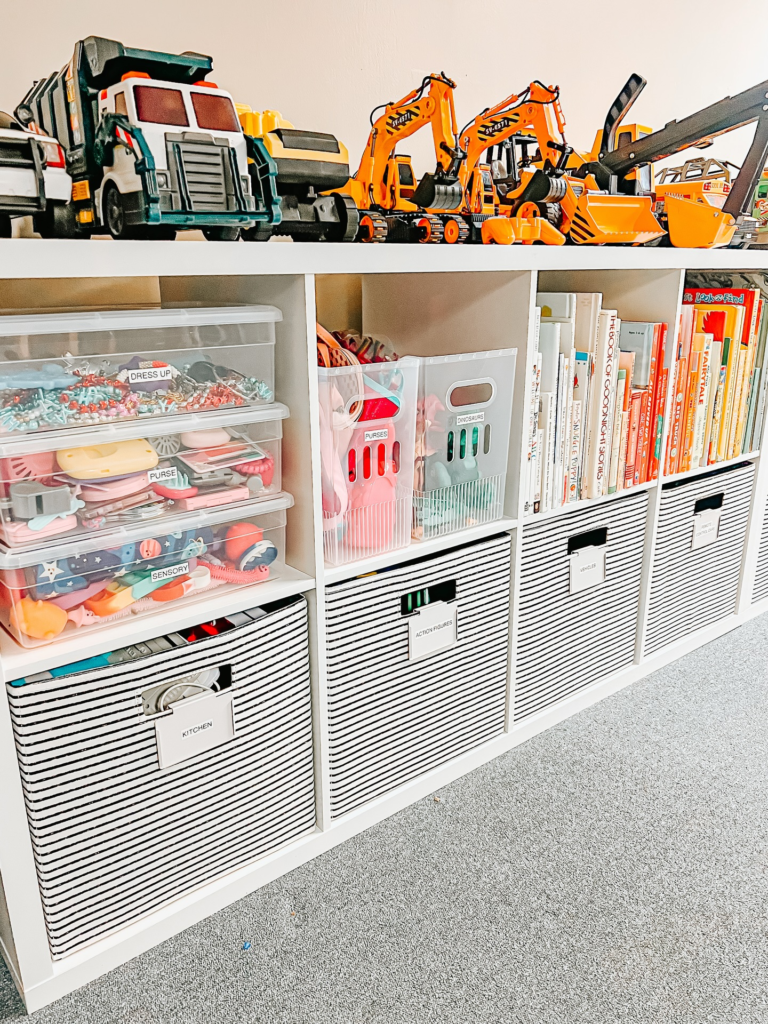
Low bins are a lifesaver for organization. Your kids can easily reach their toys without asking for help.
I labeled mine with pictures so even toddlers know where things go. It teaches responsibility in a simple way. And for you, it means faster cleanup every evening.
7. Create a Dress-Up Corner
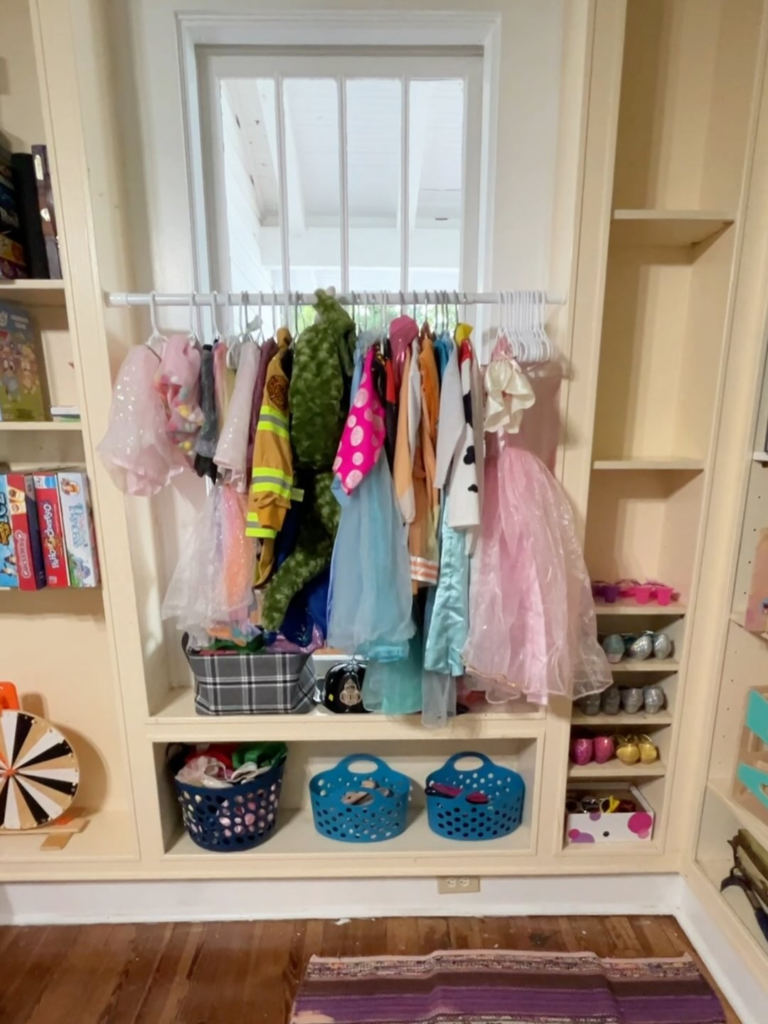
This one brings out so much imagination. I added costumes, hats, and accessories on hooks and hangers. You’ll love watching your kids create their own characters and stories.
I noticed it really improves their confidence and communication skills. It’s like a mini theater inside your home.
8. Add a Building Zone
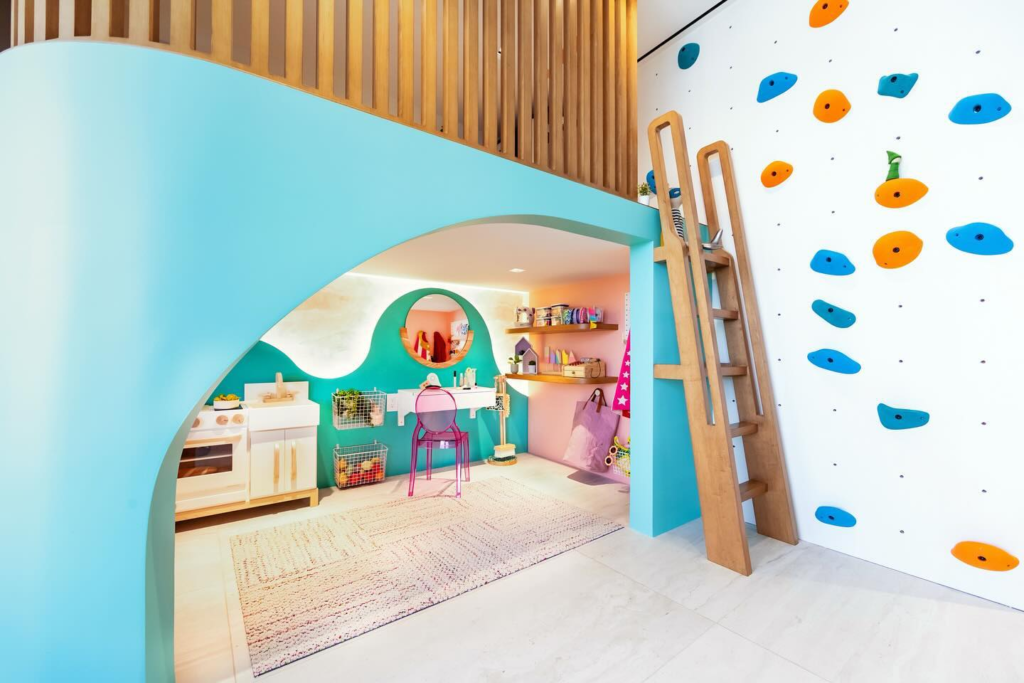
Blocks, LEGO, or magnetic tiles deserve their own space. When I created a building area, my kids started focusing more deeply on projects.
You’ll see problem-solving skills develop naturally here. It also prevents tiny pieces from spreading all over the room. This zone supports both creativity and patience.
9. Use Wall-Mounted Storage
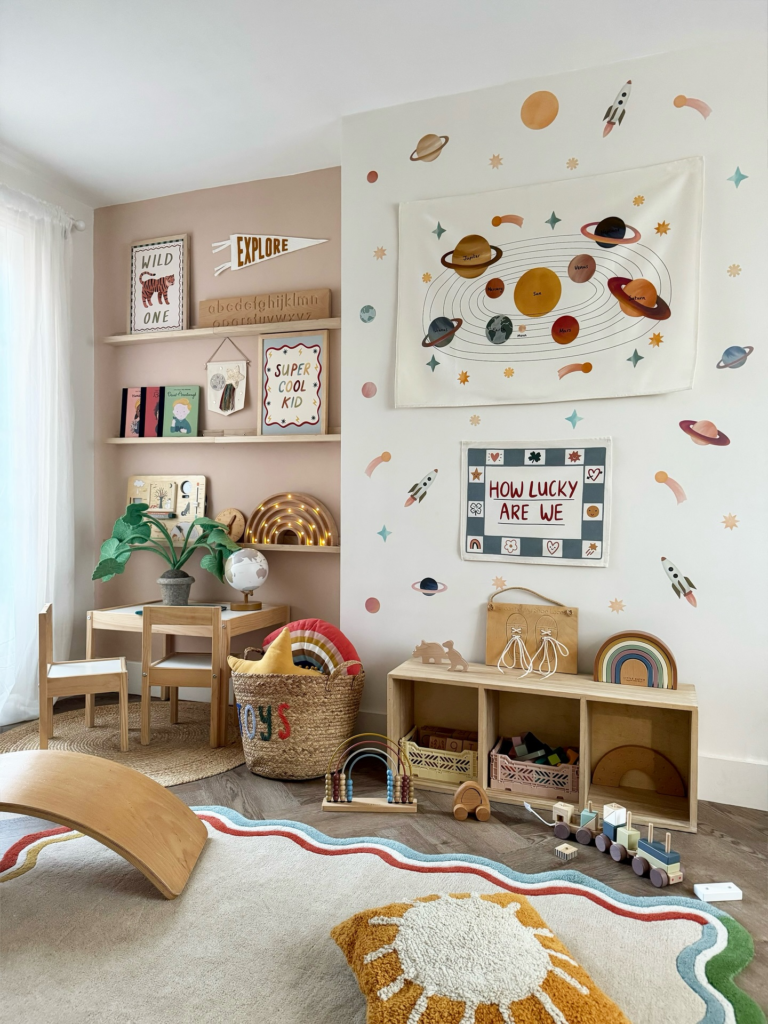
Wall storage saves so much floor space. I used hanging pockets and shelves for books and small toys.
You’ll appreciate how clean and organized the room feels. It also makes the playroom look more stylish and less cluttered. Practical and aesthetic is always the best combination.
10. Include a Sensory Play Area
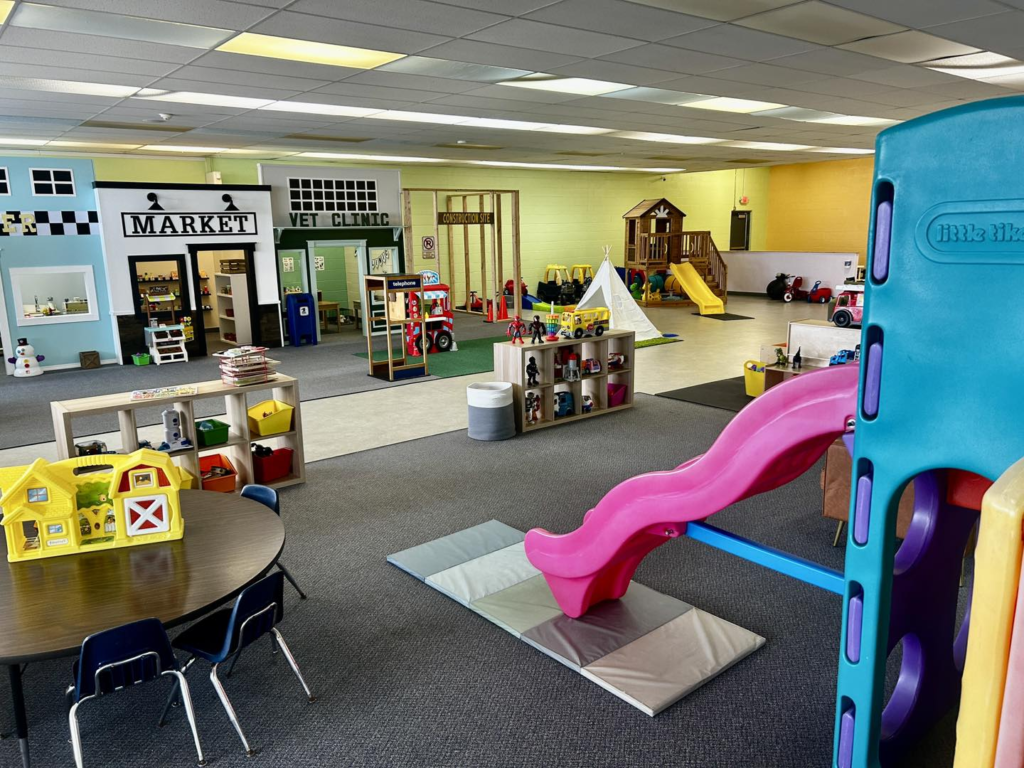
Sensory play is incredibly powerful for development. I added textured toys, soft fabrics, and sensory bins.
You’ll notice better focus and calmer behavior. It’s especially helpful for younger kids who love exploring with their hands. This area feels peaceful yet stimulating at the same time.
11. Add a Mini Table and Chairs
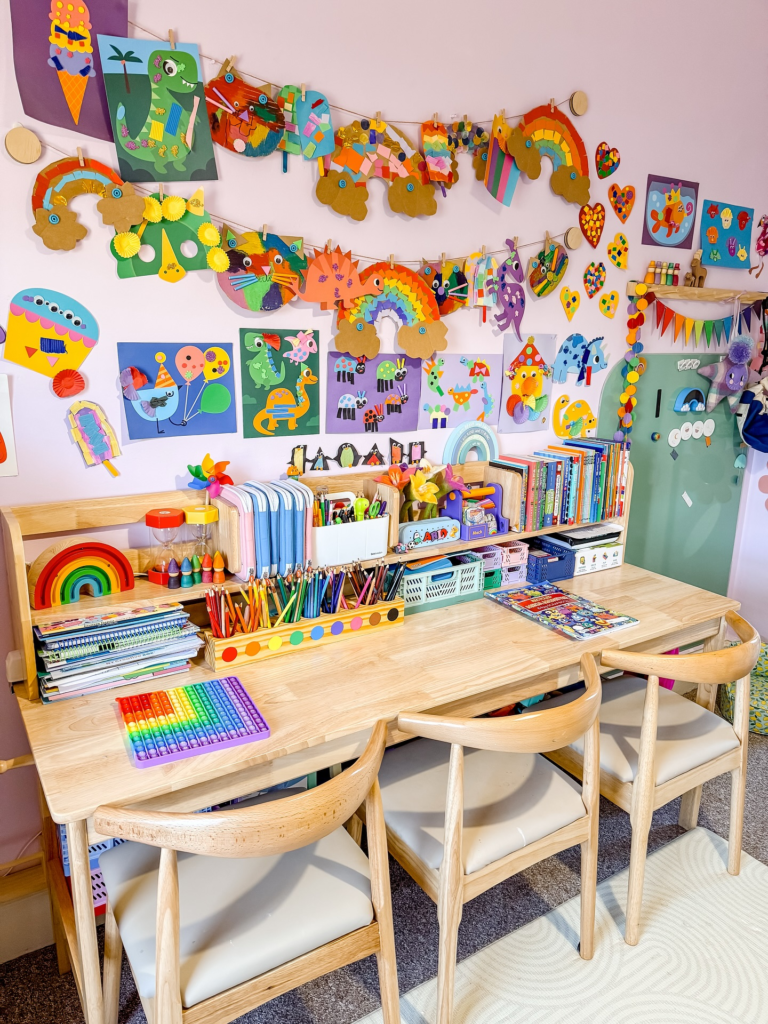
Having their own furniture makes kids feel important. I use this for puzzles, crafts, and snack time. You’ll love how it encourages independent play.
It also keeps activities organized in one spot. This small setup makes a big emotional difference for children.
12. Use Neutral Colors with Pops of Bright
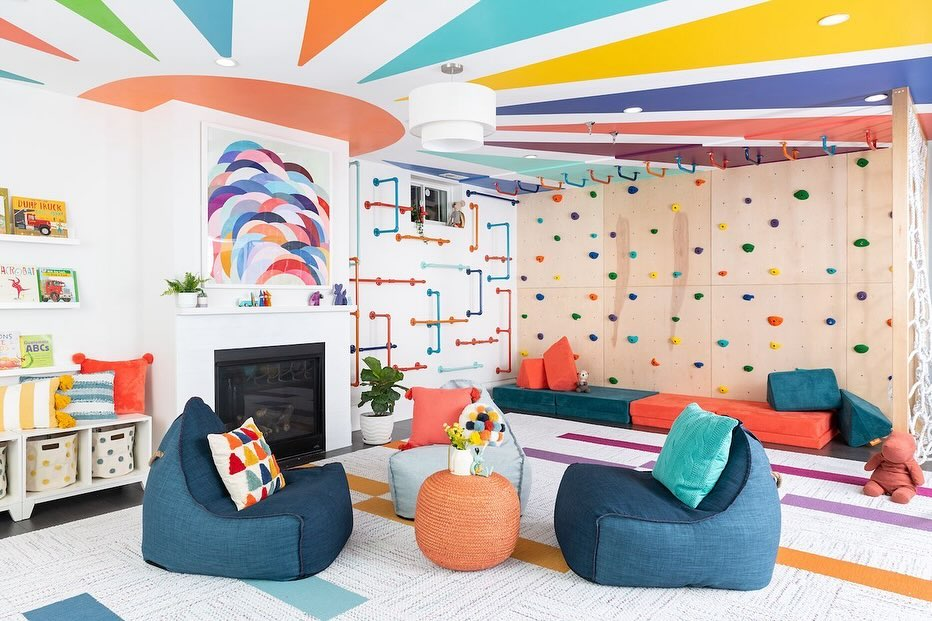
I learned this the hard way too many bright colors can feel overwhelming. Now I use neutral walls with colorful toys as accents.
You’ll notice the room feels calmer and more balanced. It’s easier on the eyes and still playful. This also makes the space grow with your child.
13. Create a Music Corner
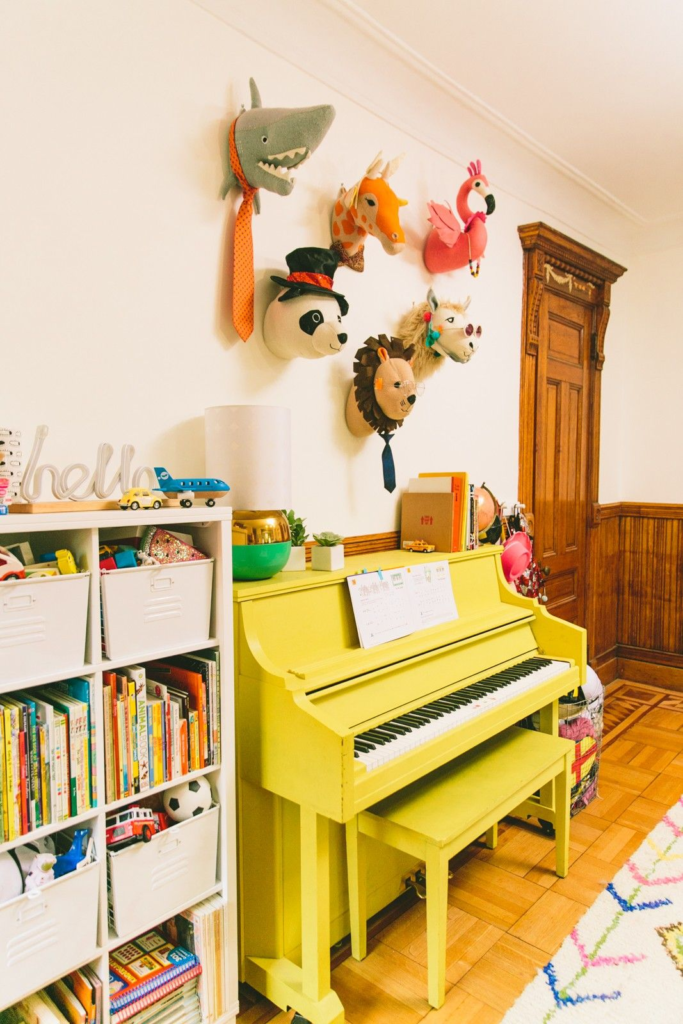
Music boosts creativity like nothing else. I added simple instruments like a keyboard, tambourine, and drums.
You’ll see your kids express emotions through sound. It’s great for rhythm and coordination. I personally love how joyful this corner feels every day.
14. Add a Puzzle and Game Shelf
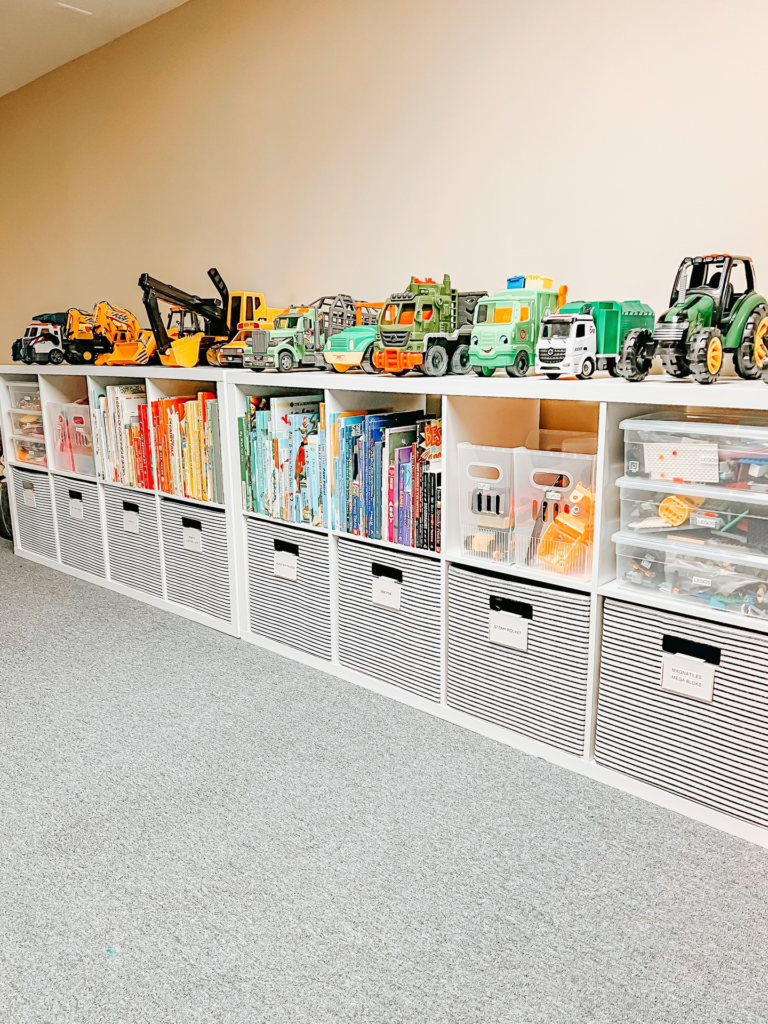
Puzzles deserve special attention. When I displayed them neatly, my kids started choosing them more often.
You’ll notice stronger problem-solving skills. It also creates a quiet activity option for rainy days. This shelf encourages focus without screens.
15. Use Rotating Toys
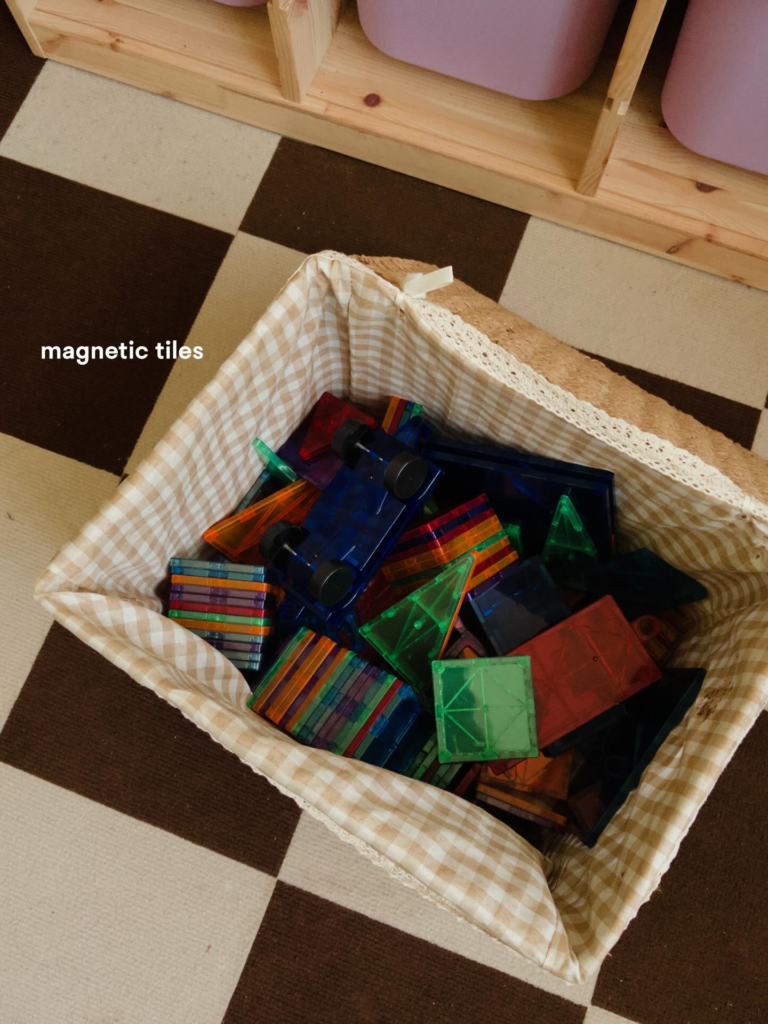
This is one of my favorite tricks. I rotate toys every few weeks instead of keeping everything out.
You’ll feel like you bought new toys without spending money. Kids stay more engaged and less bored. It keeps the playroom fresh and exciting.
16. Create a Craft Storage Wall
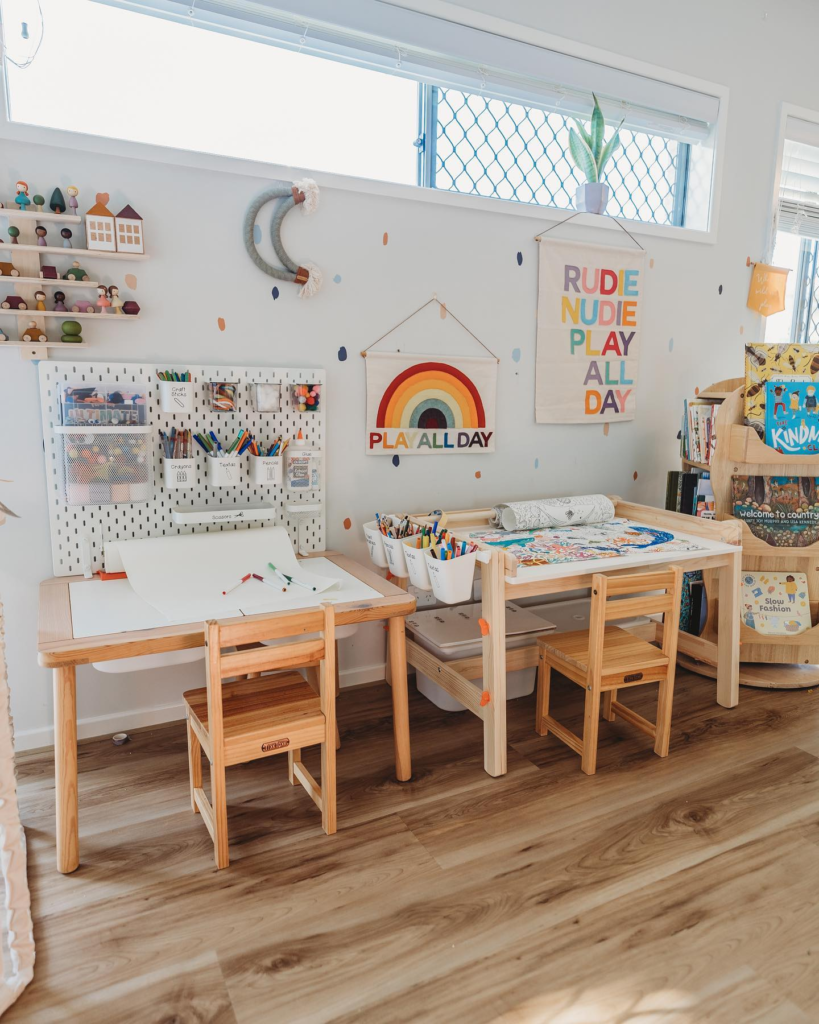
A wall just for craft supplies saves your sanity. I used jars and containers for beads, stickers, and tools.
You’ll love how organized everything looks. It makes crafting easier and more fun. This setup also reduces waste and lost supplies.
17. Add Soft Lighting
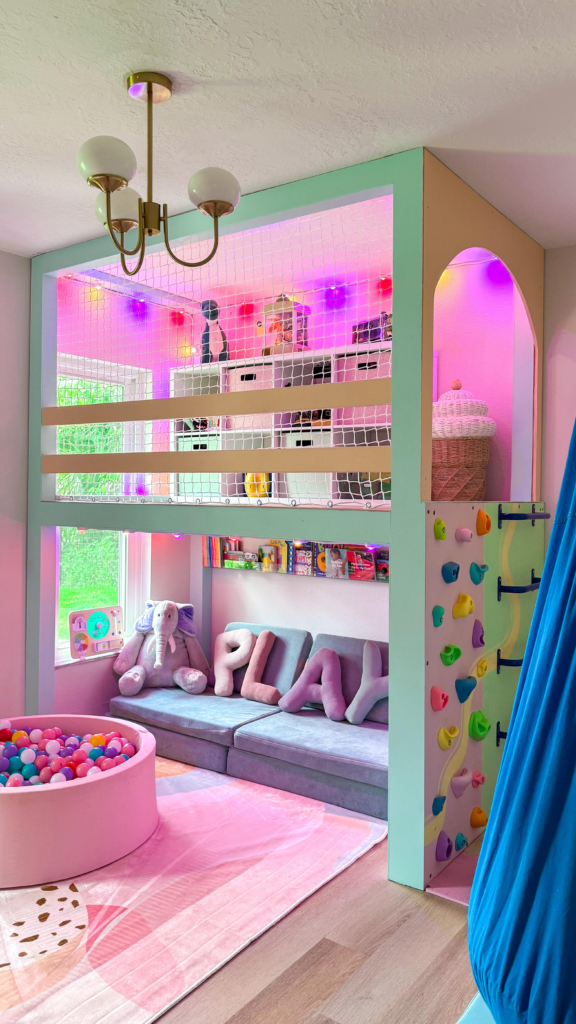
Lighting changes the entire mood. I replaced harsh lights with warm lamps and fairy-style lights.
You’ll feel the room become more relaxing instantly. It’s perfect for evening play and reading. Soft lighting makes the space feel safe and cozy.
18. Include a Learning Wall
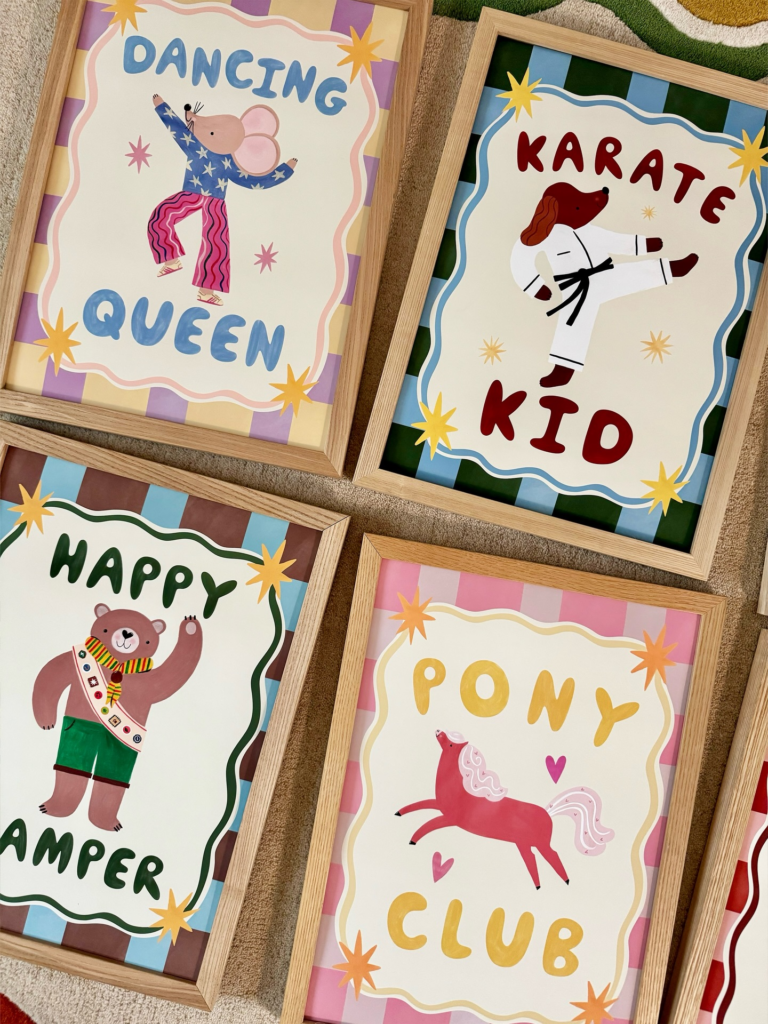
This is where fun meets education. I added alphabet charts, numbers, and simple maps. You’ll notice kids learning without pressure.
It feels natural and playful. I love how it supports development while still being decorative.
19. Use Clear Containers
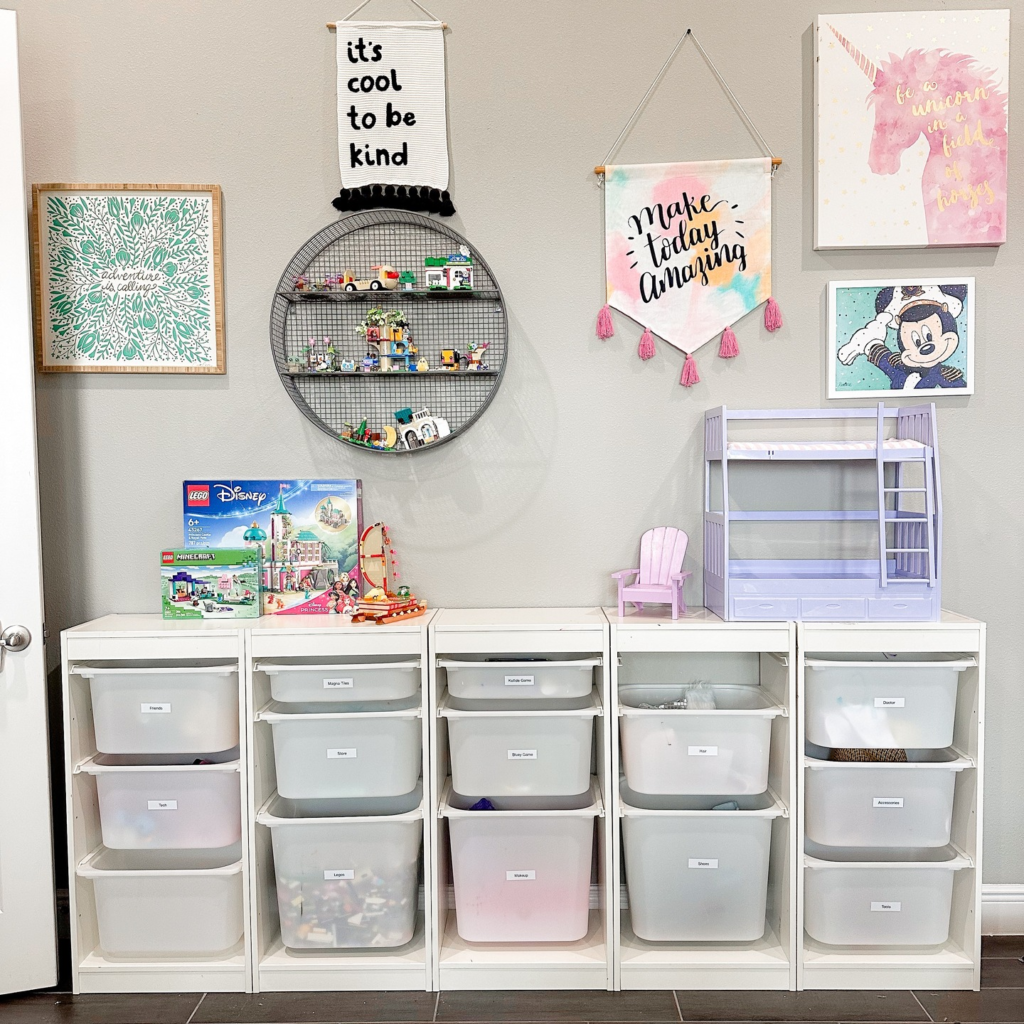
Clear bins help kids see what’s inside without opening everything. You’ll spend less time searching for toys.
It also encourages better organization habits. I personally find it visually satisfying and practical. This simple change saves time every day.
20. Create a Role-Play Area
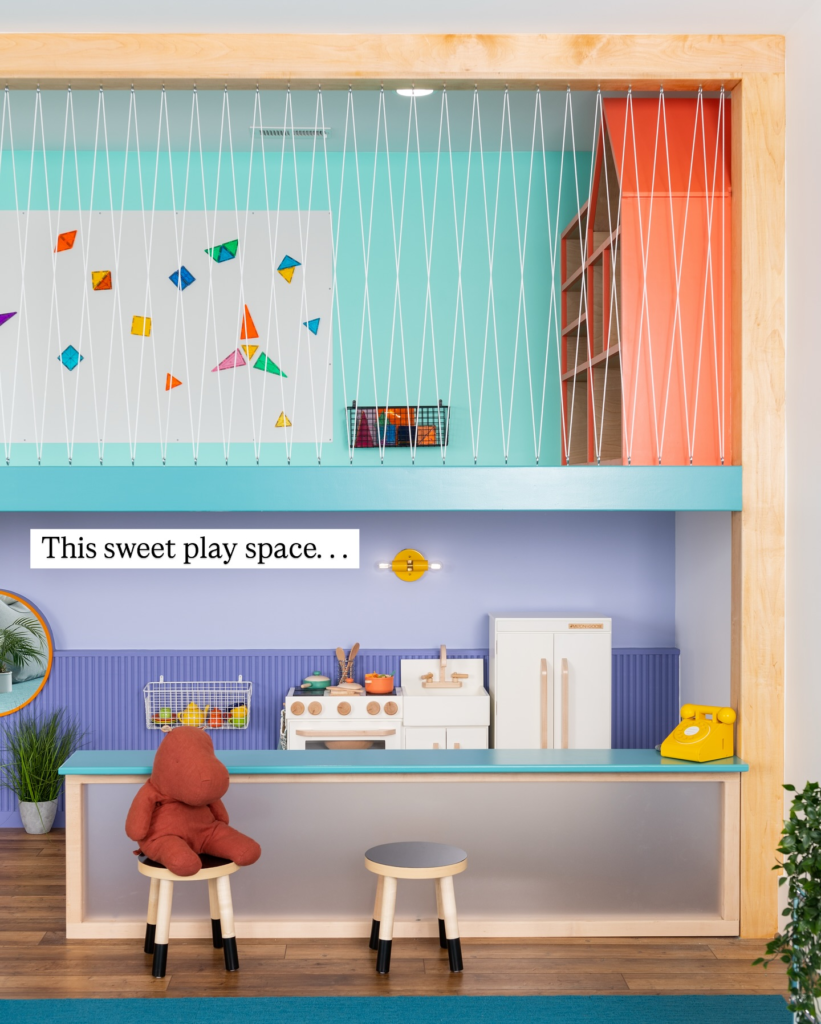
Pretend play is essential for emotional growth. I added a mini kitchen and grocery setup. You’ll see your kids act out real-life situations.
It improves social skills and empathy. This area is always full of laughter in my home.
21. Add Wall Art Made by Kids
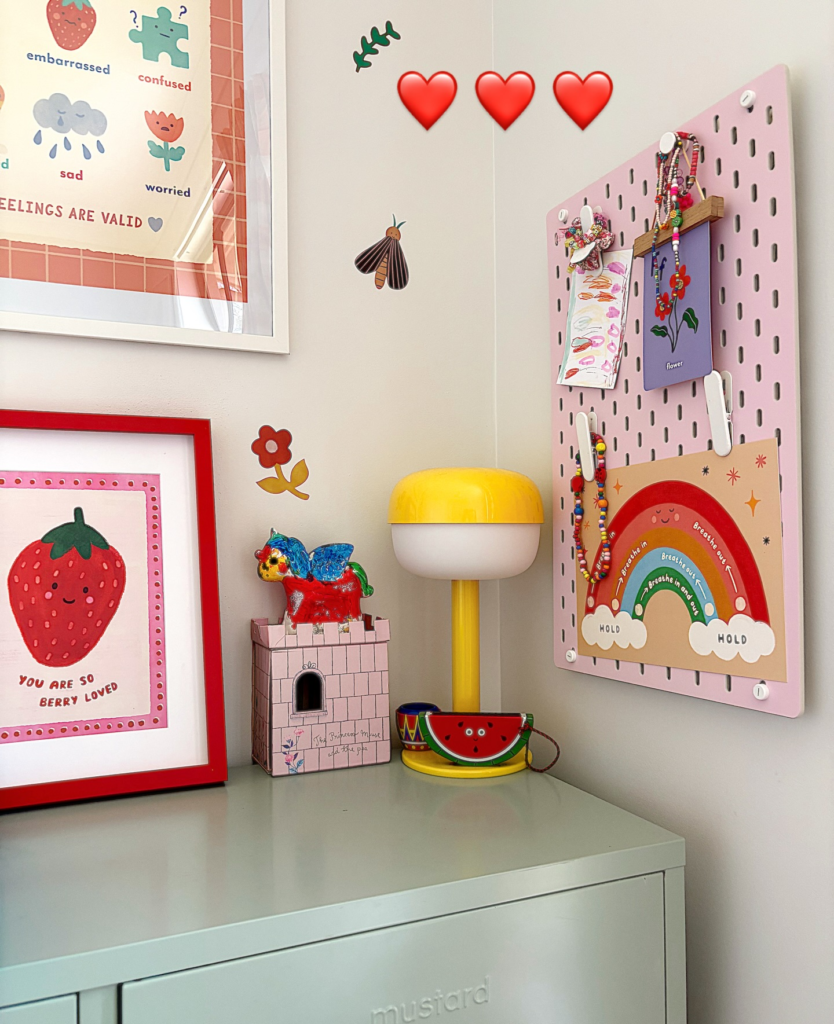
This is such a confidence booster. I framed their drawings and hung them on the wall. You’ll notice how proud they feel seeing their work displayed.
It makes the room personal and meaningful. For me, it’s also a beautiful memory wall.
22. Include Storage Under Seating
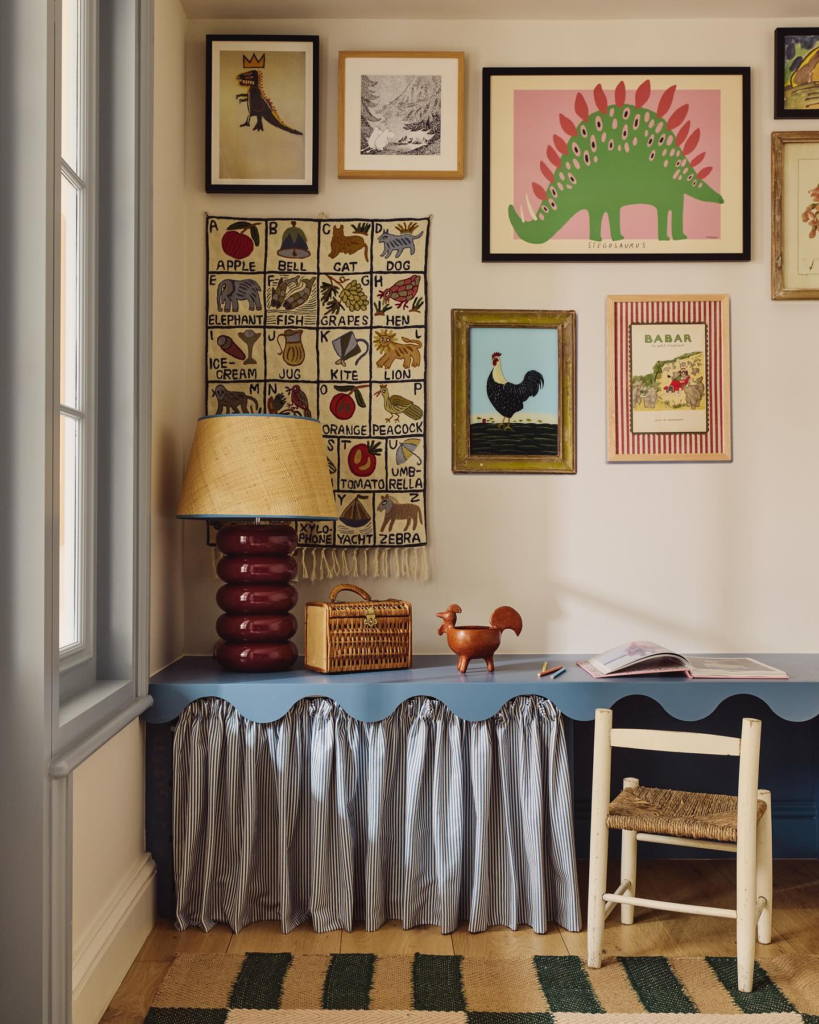
Dual-purpose furniture is genius. I use benches with hidden storage inside. You’ll save space while keeping things tidy.
It’s perfect for small playrooms. I love how functional and stylish this idea is.
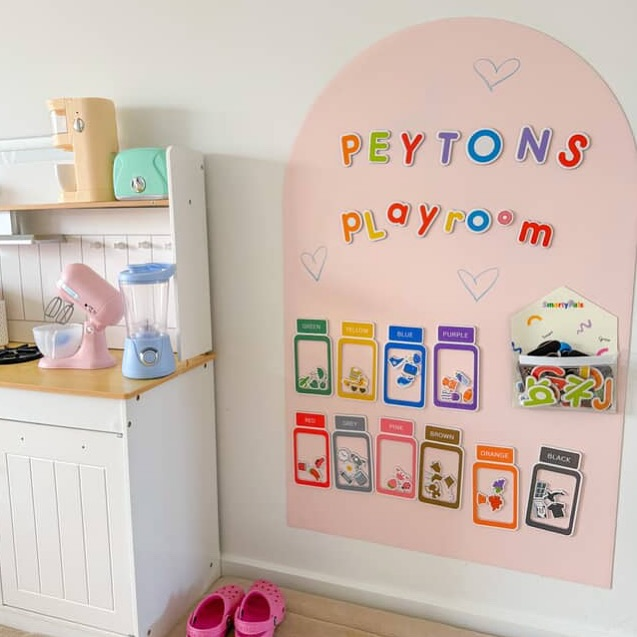
23. Make Space for Free Play
source
This might be the most important idea of all. Don’t overfill the room with furniture and toys. You’ll notice kids create better games when they have open space.
It allows movement, dancing, and imagination. Sometimes, less really is more.
Conclusion
Creating a playroom isn’t about perfection — it’s about intention. I truly believe that a well-designed playroom can shape how your child thinks, feels, and expresses themselves. When you design with creativity and comfort in mind, you’re not just organizing toys, you’re building memories. Start small, trust your instincts, and remember that the best playroom is one where your kids feel happy, safe, and inspired.
FAQs
How big should a playroom be?
A playroom doesn’t need to be large. Even a small corner or spare room works perfectly if organized well.
What age is best for a playroom?
Playrooms are great for toddlers to pre-teens. You can adjust toys and zones as your child grows.
How do I keep a playroom organized?
Use labeled bins, rotate toys, and involve your kids in cleanup. Consistency is key.
Should a playroom be educational or just fun?
It should be both. The best playrooms blend learning and play naturally without pressure.
How often should I update the playroom?
Small updates every few months keep it fresh. You don’t need a full makeover each time.