21 Eco-Friendly Firepits Backyard Ideas for Sustainable Outdoor Living

Backyards aren’t just spaces; they’re our personal escapes, little slices of peace where we can laugh with friends, roast marshmallows, or sit in quiet solitude staring at the flames.
But here’s the twist: traditional firepits, while cozy, aren’t always kind to our environment.
They can pump out harmful emissions, gobble up natural resources, and leave a heavier carbon footprint than you might imagine.
That’s where eco-friendly firepits enter the scene. They let you enjoy the magic of fire without the guilt trip.
Today, I’m diving deep into 21 eco-friendly firepit ideas that are as stylish as they are sustainable. And don’t worry—I’ll give you practical advice, useful stats, and even a few personal touches so you can walk away ready to create your own eco-conscious backyard sanctuary.
1. Go for Bioethanol Firepits
One of the easiest eco-friendly swaps you can make is switching to a bioethanol firepit.
Bioethanol is a renewable fuel made from plant byproducts like corn and sugarcane.
Unlike wood, it burns clean, releasing up to 80% fewer harmful emissions than traditional firewood.
I once visited a friend’s house who had one on her small patio. It was sleek, glass-encased, and didn’t leave that smoky smell lingering in your clothes.
Plus, it didn’t require chimney ventilation. If you love modern aesthetics and want a clean burn, bioethanol is a no-brainer.
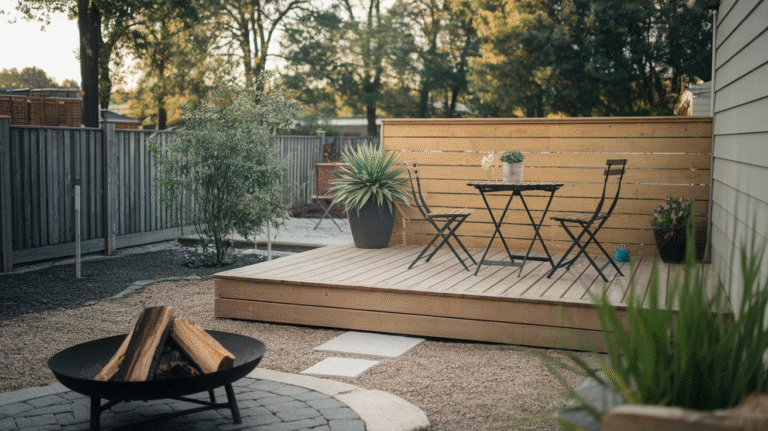
2. Reclaimed Stone Firepit Designs
Instead of buying brand-new materials, consider building a firepit from reclaimed stone or brick.
It’s sustainable because you’re giving old materials a second life instead of consuming fresh resources.
There’s something poetic about sitting around a fire surrounded by stones that may have been part of a century-old building or road.
It gives your backyard a history lesson hidden in plain sight. Bonus? You save money and reduce landfill waste.
3. Portable Propane Fire Tables
If you’re short on space or like flexibility, portable propane fire tables are game-changers.
Modern versions are designed for low emissions and often include efficient burners that use less fuel.
According to the U.S. Energy Information Administration, propane emits 30% less CO2 than coal-based energy sources, making it a cleaner alternative.
I personally love the fact that you can move it around—perfect for when you want to rearrange your backyard for parties or intimate gatherings.
4. Solar-Powered Fire Features
This one sounds like magic: solar-powered firepits. While they don’t produce real flames, they simulate the glow and ambiance of fire using solar-powered LED lights.
If you’re after the look without the smoke or emissions, these are unbeatable.
Think of it as a firepit’s eco-friendly cousin—romantic, safe, and a little futuristic. Plus, you don’t have to worry about fuel or ashes.
5. Smokeless Wood-Burning Firepits
If you can’t let go of real flames and the smell of wood, then invest in a smokeless firepit.
Companies like Solo Stove and Breeo design pits with double-wall airflow that drastically reduces smoke output.
Here’s a stat: these pits can reduce particulate emissions by 70–80% compared to open wood fires.
And trust me, sitting by one feels worlds apart—you’re not dodging smoke clouds every few seconds.
6. Recycled Metal Fire Bowls
Instead of shiny new steel, go for firepits crafted from recycled metal. Old car parts, industrial scraps, or even old farm tools can be repurposed into striking fire bowls.
A neighbor of mine had one made from an old tractor wheel rim. It looked rustic yet artistic, and knowing it was recycled gave it character you don’t get from store-bought versions. Sustainability with a story—that’s the dream.
7. Natural Gas Firepits
For a permanent installation that’s efficient and clean, natural gas firepits are a solid choice.
They burn cleaner than wood, releasing significantly fewer particulates and no ash.
According to the EPA, natural gas emits almost 50% less CO2 than coal. While it’s still a fossil fuel, it’s a big step up from burning logs.
If you’re installing one, pair it with a smart ignition system so you don’t waste energy on long start-ups.
8. DIY Cob Firepits
For those who love to get their hands dirty, a DIY cob firepit is both eco-friendly and budget-friendly.
Cob is a natural building material made of clay, sand, straw, and water. It’s been used for centuries, and it’s still one of the most sustainable materials around.
There’s something primal about sculpting your own firepit from mud and straw. It feels almost like connecting with your ancestors while saving on material costs.
And when it’s time to move on, cob can naturally decompose back into the earth.
9. Repurposed Fire Drum Pits
Got an old metal drum lying around? Don’t trash it—repurpose it into a firepit. With some safe modifications, drums make excellent fire vessels.
Not only do you save a large piece of metal from rusting away in a landfill, but you also get a custom firepit that feels industrial-chic.
Add a few vent holes for airflow, and you’ll be surprised how efficient it can be.
10. Pellet-Burning Firepits
Wood pellets, often made from sawdust and wood scraps, are another greener choice.
Pellet firepits burn more consistently, create less ash, and are often designed with efficient airflow systems.
The Pellet Fuels Institute notes that pellets produce less than 1% of the ash you’d get from burning cordwood. That means less cleanup, fewer emissions, and more heat for your buck.
11. Glass Bead Gas Fire Bowls
Instead of wood or stone, try a gas firepit with recycled glass beads. They look stunning—flames dancing across jewel-like surfaces—and they’re made from recycled glass bottles and scraps.
It’s one of those designs where sustainability and style meet in the middle. Plus, you’ll never run out of people asking, “Wait, is that glass?”
12. Dual-Use Firepit and Planters
Why have just a firepit when you can combine it with a planter? Some innovative designs allow you to grow plants around the firepit base.
The idea is simple: merge greenery with fire, reminding us that the two can coexist beautifully.
I saw one in a permaculture garden—it had herbs growing around the outer ring. Imagine roasting marshmallows while plucking fresh mint leaves for your tea. Sustainable and practical.
13. Eco-Brick Firepits
Traditional bricks can have a large carbon footprint due to firing in kilns.
Instead, use eco-bricks, which are compressed earth blocks or sometimes even plastic bottle bricks filled with waste.
They’re durable, insulating, and far greener. If you’re constructing a permanent backyard setup, eco-bricks can be the hero of your project.
14. Hybrid Firepit and Grill
A firepit that doubles as a grill ensures you’re not wasting fuel just for looks.
You cook dinner and keep warm at the same time—two birds, one sustainable stone.
This reduces energy use because you’re not firing up both a stove and a pit. Plus, grilled food always tastes better outdoors.
15. Upcycled Concrete Pits
If you’ve ever demolished part of a patio, driveway, or wall, don’t toss the rubble. Upcycle broken concrete into a firepit.
It’s called “urbanite,” and it’s an eco-friendly way to reuse waste that would otherwise head to the landfill.
The look is rugged and modern, and it feels good knowing your firepit was born out of what others might consider trash.
16. Clay Chimeneas
Chimeneas, those charming outdoor fireplaces with a bulbous base and tall chimney, are often made from clay—a natural and abundant material.
Clay chimeneas are energy-efficient because their shape channels heat outward.
They’re especially good for small patios. I had one in my first apartment’s tiny backyard, and it made the whole space feel like a Mediterranean retreat.
17. Modular Firepit Kits
For folks who want flexibility, modular firepit kits made from sustainable or recycled materials are worth considering.
They’re designed for assembly and disassembly, which means you can take them apart if you move homes.
That alone saves resources—you’re not leaving behind a bulky, permanent structure that might end up demolished. Think of it as IKEA meets eco-living.
18. Wood from Sustainable Sources
If you’re sticking with wood-burning firepits, make sure your fuel is sustainably sourced firewood. Look for wood certified by the Forest Stewardship Council (FSC).
Illegal logging accounts for up to 15–30% of global timber trade, contributing heavily to deforestation.
By choosing certified wood, you support responsible forestry and reduce your backyard’s carbon footprint.
19. Charcoal Alternatives
Skip the conventional charcoal briquettes (which often contain additives) and use eco-friendly charcoal alternatives like coconut shell briquettes or bamboo charcoal.
These options burn hotter, last longer, and are made from agricultural waste instead of cutting down new trees. Plus, they don’t leave that chemical aftertaste on your grilled food.
20. Shared Community Firepits
Sometimes the most eco-friendly option is sharing instead of owning. Consider setting up a community firepit space with neighbors.
Not everyone needs their own pit, and by sharing, you reduce material use and fuel consumption.
Plus, gathering around fire with neighbors strengthens community bonds, which is something our world desperately needs.
21. Smart-Controlled Firepits
The future is here: smart firepits let you control flame intensity, fuel use, and even timers from your phone. Less wasted fuel, more efficient burns.
These high-tech options may seem indulgent, but they can actually reduce energy waste dramatically.
And if you’re the kind of person who forgets to turn things off (guilty as charged), smart systems can save you fuel and peace of mind.
Conclusion
Creating an eco-friendly backyard firepit isn’t about giving up comfort or ambiance.
It’s about rethinking the way we enjoy fire so it aligns with sustainability. Whether it’s bioethanol flames, repurposed stone designs, or even solar-powered light features, there are endless ways to cozy up without costing the Earth.
When you sit by your firepit, marshmallow in hand, the warmth you feel shouldn’t just come from the flames.
It should come from knowing you’ve chosen a design that respects the planet.
And maybe, just maybe, the conversations around your eco-friendly firepit will spark more than laughter—they’ll spark ideas for living lighter on this Earth.