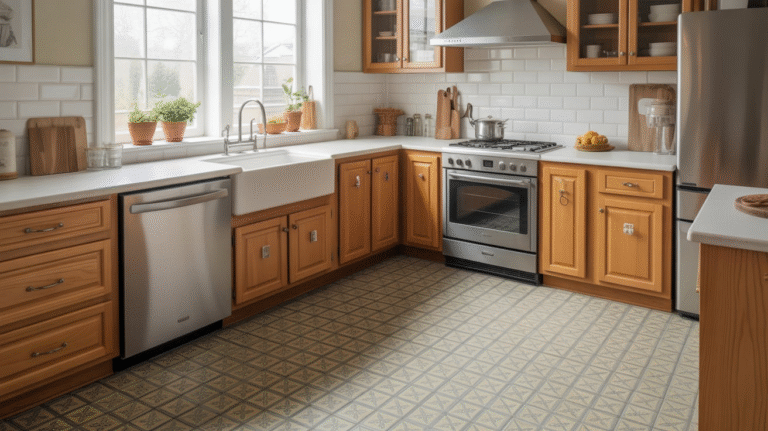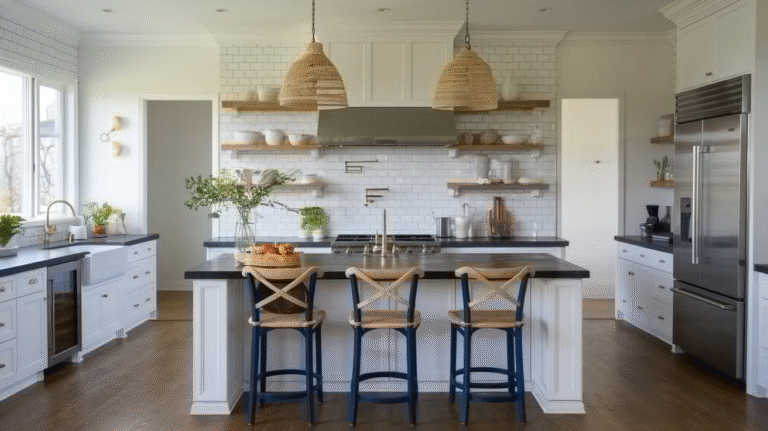
19 Kitchen Plants Ideas That Will Brighten Your Space and Boost Your Cooking

If you’ve ever felt like your kitchen is a little too plain or uninspiring, adding some greenery is one of the easiest ways to bring it to life.
I’ve always believed that a kitchen isn’t just for cooking it’s where creativity starts, and having plants around can truly lift your mood and make the space feel fresh.
Plants can purify the air, reduce stress, and even make your meals taste better by keeping herbs and spices within arm’s reach.
I know it might seem tricky to keep plants alive in the kitchen, but trust me, with the right choices, you’ll wonder how you ever cooked without them.
Over time, I’ve discovered a mix of herbs, leafy greens, and flowering plants that not only survive the heat and humidity but also add color and charm.
Let me share with you my favorite 19 kitchen plant ideas that will brighten your space and even inspire your cooking.
1. Basil
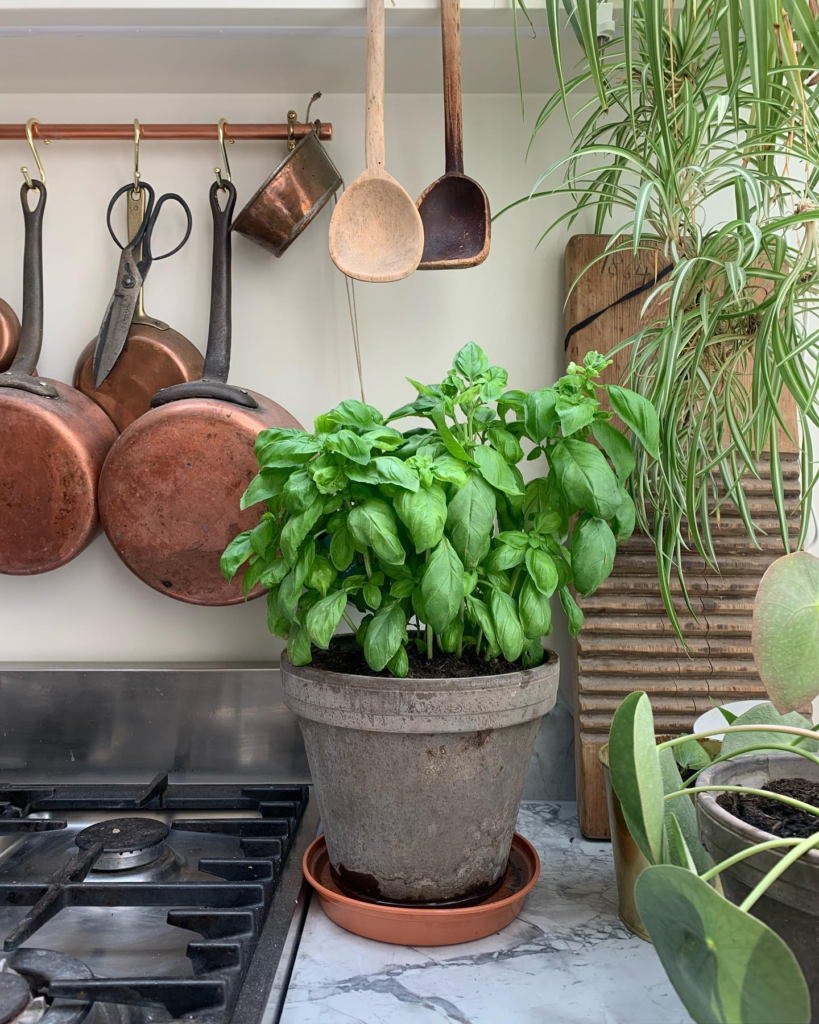
Basil is my absolute kitchen favorite. I keep a small pot on the windowsill, and I reach for its fragrant leaves almost every day.
Fresh basil makes simple pasta or homemade pizza taste amazing, and the aroma fills the kitchen with a comforting scent. The plant is relatively easy to care for, just give it plenty of sunlight and water when the soil feels dry.
I love that I can snip a few leaves whenever I need them, making cooking feel effortless.
2. Rosemary
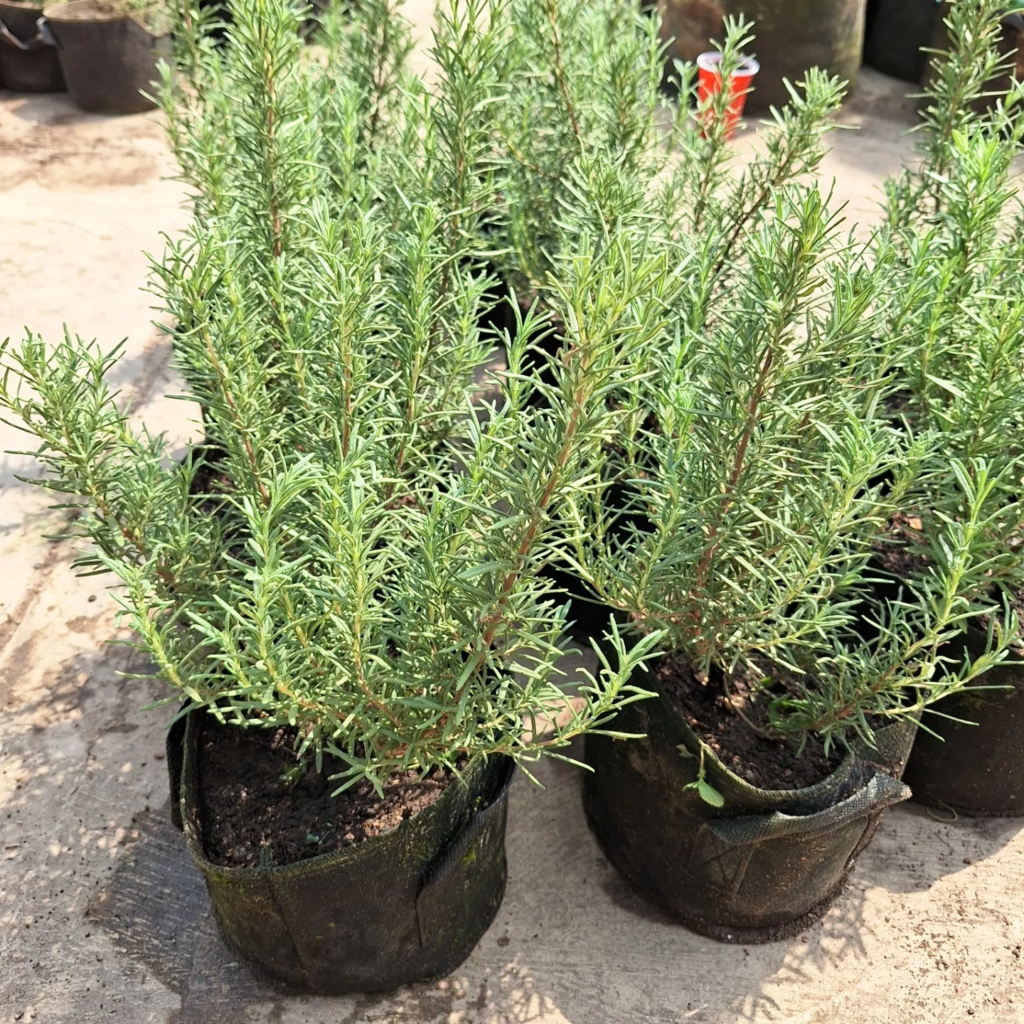
Rosemary is one of those plants that makes your kitchen smell like a cozy farmhouse. I usually place it near the stove or by a sunny window, and it thrives beautifully.
Its needle-like leaves are perfect for roasting vegetables, seasoning meats, or adding to breads. I find that having rosemary nearby reminds me to experiment with flavors in my cooking.
Plus, it stays green all year, giving the kitchen a touch of nature no matter the season.
3. Thyme
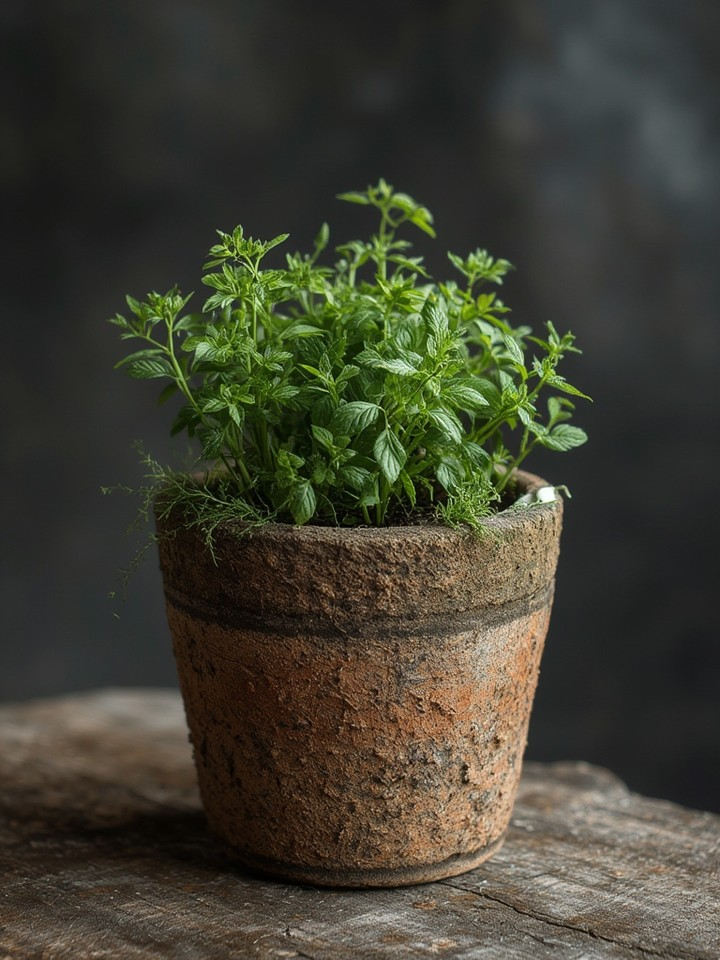
Thyme has been my go-to herb for soups and stews. Its small, delicate leaves pack so much flavor, and I love how easy it is to grow in a small pot. I usually keep mine on a shelf where it can catch some morning sun.
Thyme also adds a subtle beauty to my kitchen, and I’ve noticed that using fresh thyme instead of dried truly elevates my meals.
It’s low-maintenance, and once you start using it, you’ll wonder how you ever cooked without it.
4. Mint
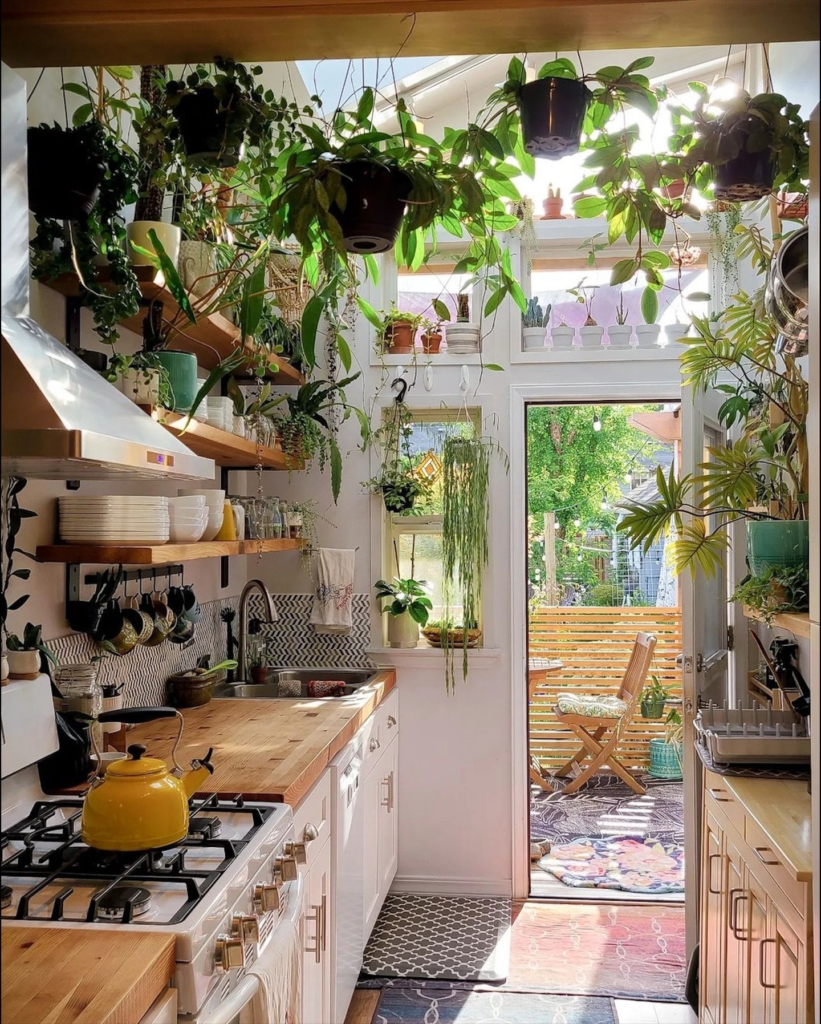
Mint is such a refreshing addition to any kitchen. I like keeping it in a small pot on the counter, and it instantly brightens the space with its vibrant green leaves and fresh scent.
I use it in drinks, desserts, and sometimes even in salads. One thing I learned is to plant mint in a separate container because it grows quickly and can overtake other plants.
Its cool aroma is calming, and having it within reach makes me feel like I’m stepping into a small herb garden every time I cook.
5. Parsley
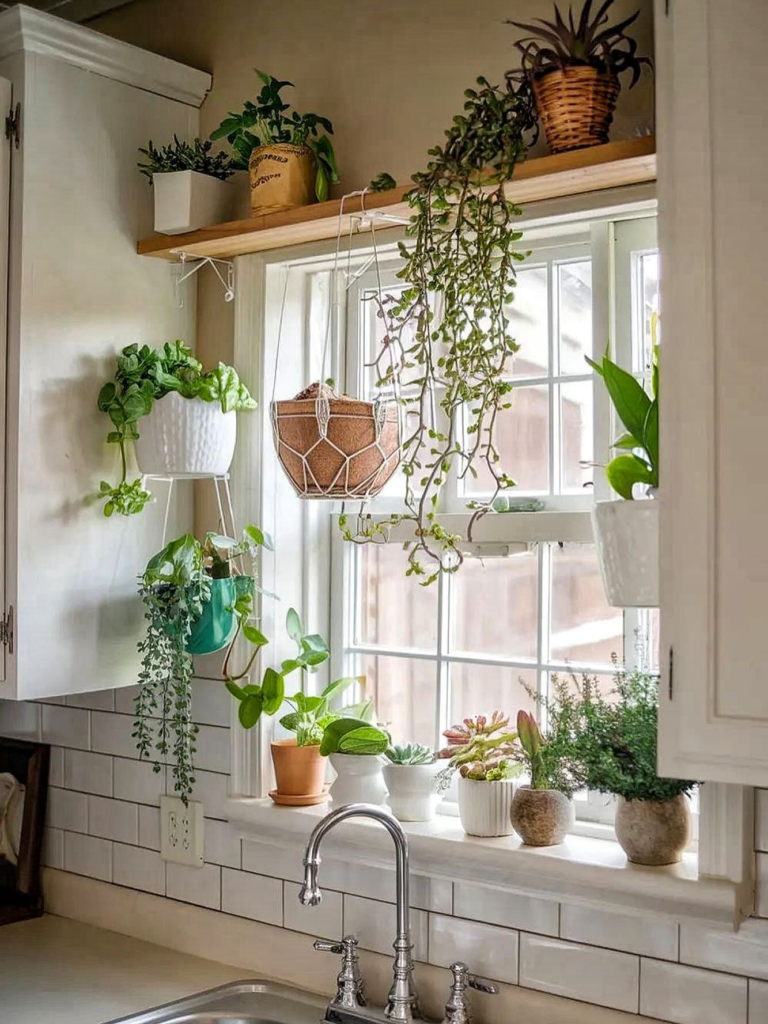
Parsley might seem ordinary, but it’s surprisingly versatile. I keep a pot of it on the kitchen windowsill and use it in nearly everything, from garnishing pasta to adding a fresh touch to sauces.
I love that it grows quickly and is forgiving if I occasionally forget to water it. Fresh parsley has a flavor that dried versions just can’t match, and having it nearby makes me feel prepared for any recipe.
Its cheerful green leaves really brighten up the counter as well.
6. Chives
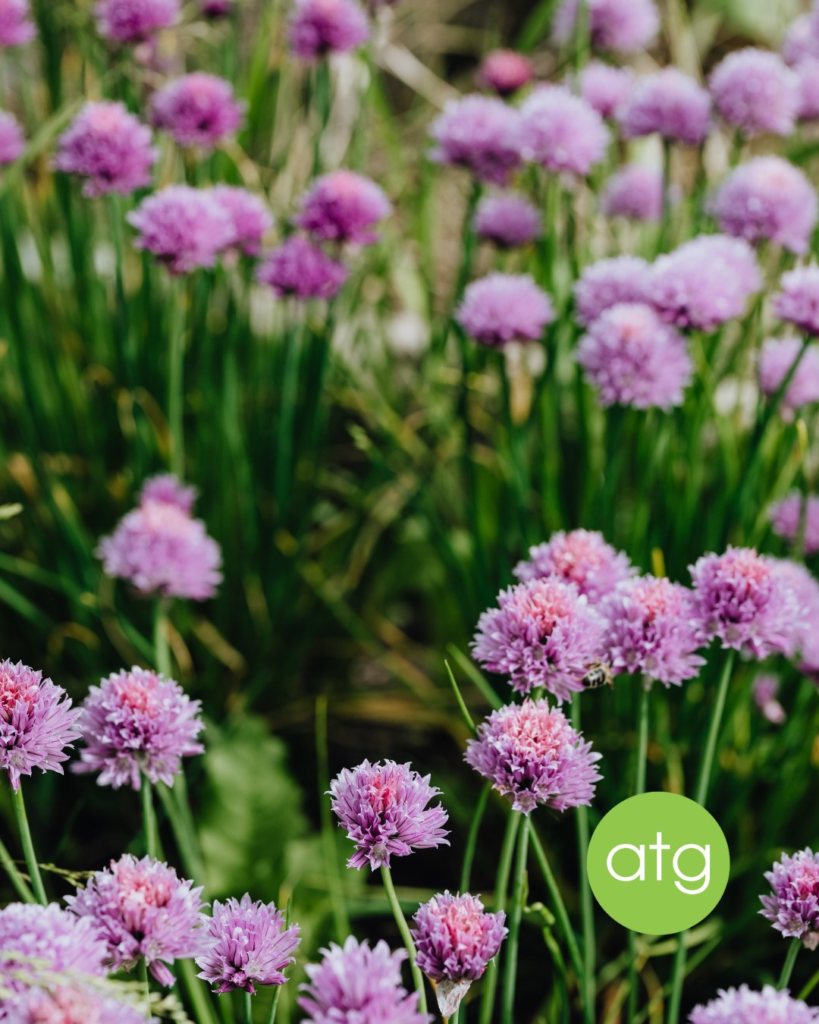
Chives are my favorite for adding a mild onion flavor to dishes. I keep mine in a small pot close to the sink for easy trimming. Their thin, vibrant green stalks are not only pretty but also super practical.
I often sprinkle chives over eggs, soups, and baked potatoes, and it’s satisfying to harvest them fresh. Chives are resilient and grow fast, which makes me feel productive every time I see new shoots popping up.
7. Aloe Vera
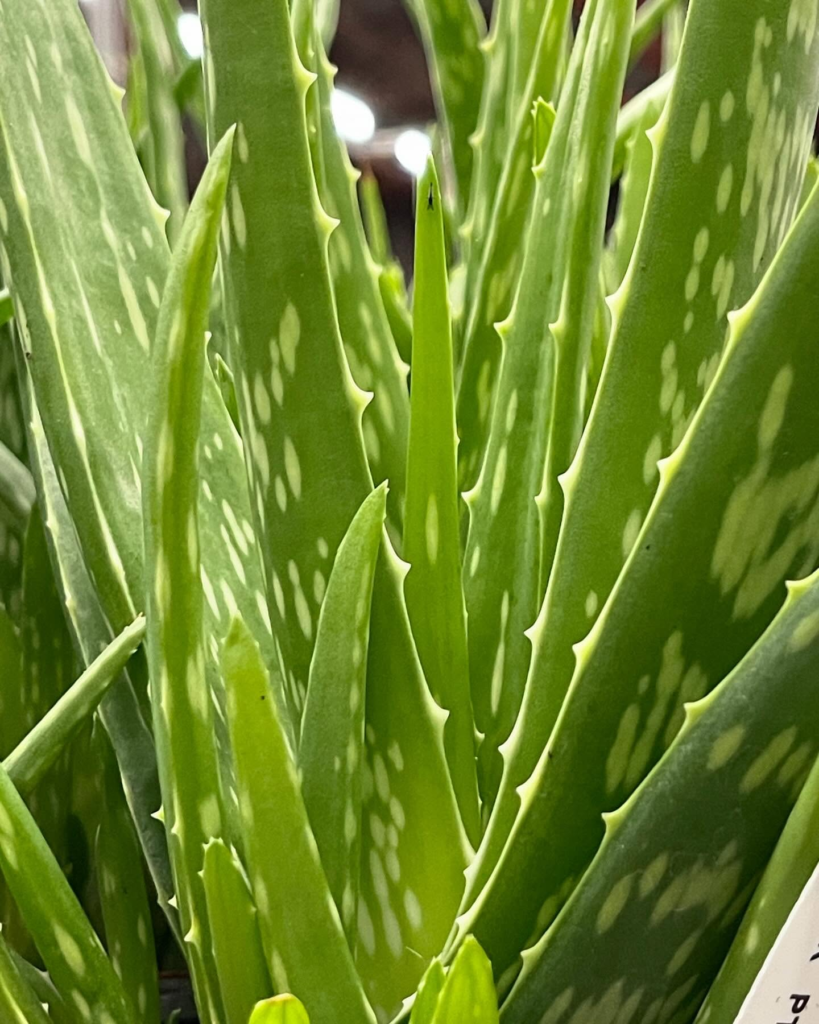
Aloe Vera is perfect if you want something low-maintenance but useful. I keep a pot on the counter because it doesn’t need much sunlight and survives occasional neglect.
Besides its health benefits, I sometimes use the gel for minor burns, which is surprisingly handy in a busy kitchen. Its spiky green leaves give a modern look to the space, and the plant feels like a little guardian keeping my kitchen vibrant and lively.
8. Lemon Balm
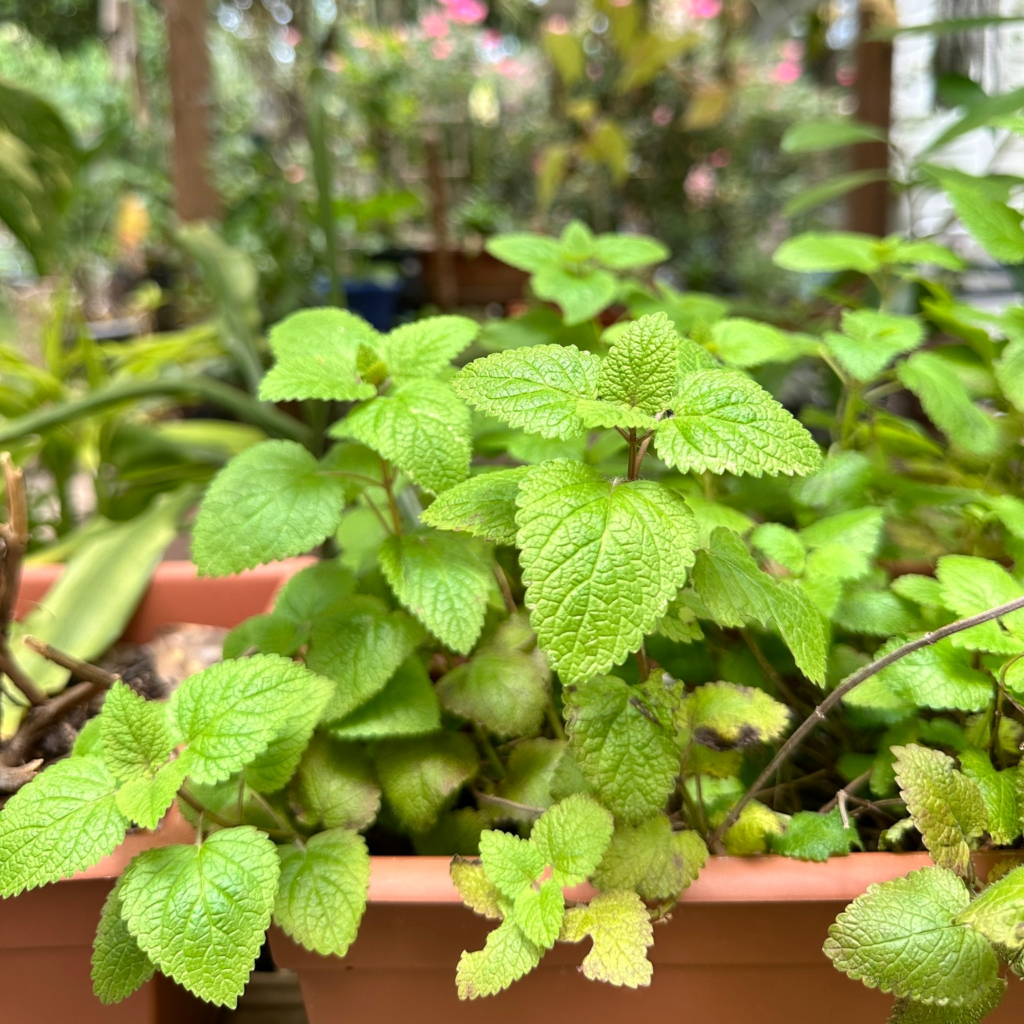
Lemon balm has a gentle citrus scent that I adore. I like keeping it in a sunny corner of my kitchen, and I often pluck leaves for teas or to brighten up desserts. The plant is easy to grow and adds a lovely, soft green color to the space.
I also find its scent calming when I’m cooking under pressure. For me, lemon balm brings a sense of freshness that complements both the aroma and look of the kitchen.
9. Oregano
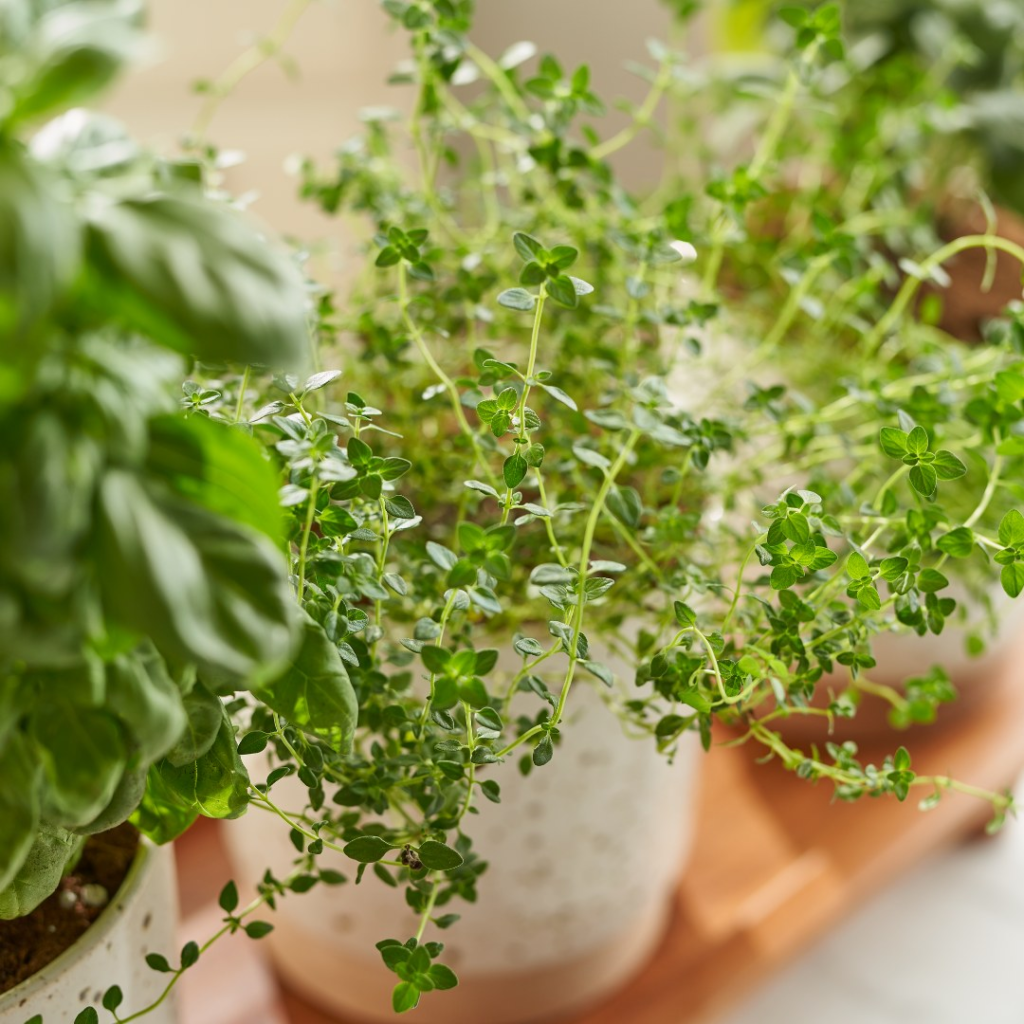
Oregano is a staple for Italian-inspired dishes. I have a pot on my windowsill, and I love the way it grows densely with minimal effort. I use it in sauces, roasted vegetables, and even in homemade dressings.
Fresh oregano tastes stronger and more aromatic than dried, and I’ve noticed that recipes feel more vibrant when I use my own plant. Its sturdy green leaves also add texture and life to the kitchen.
10. Sage
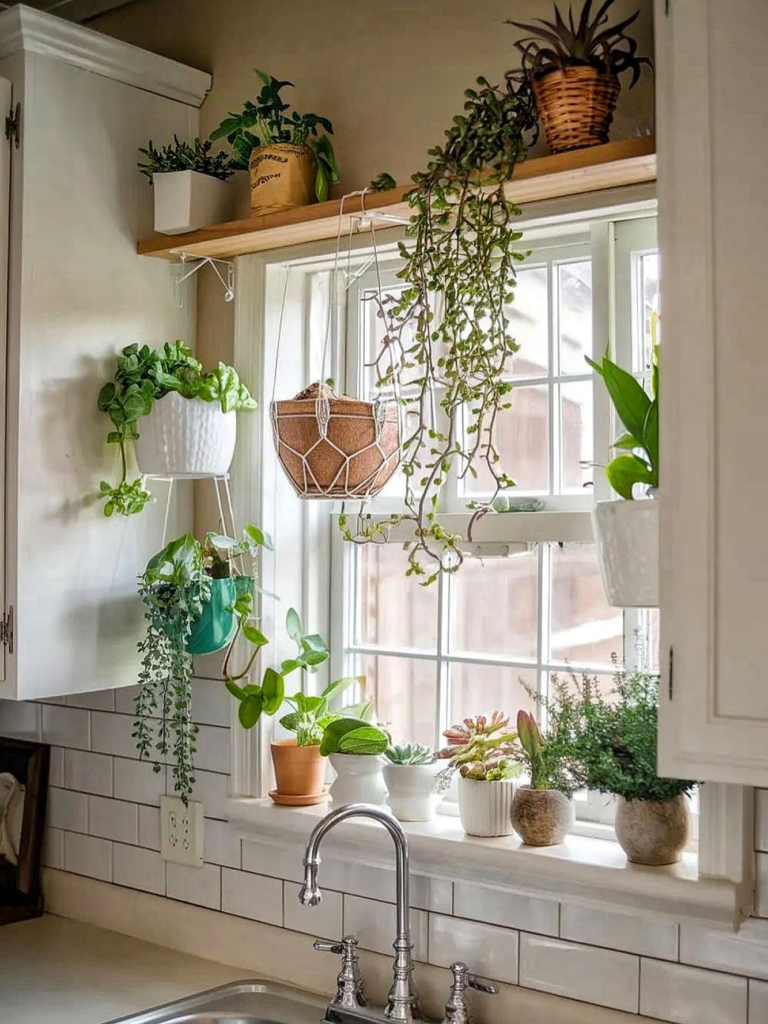
Sage is an elegant herb that I’ve grown for its earthy aroma and decorative leaves. I usually place it near a sunny window where it can thrive. It pairs beautifully with roasted meats, but I also like using it in butters and breads.
Sage adds depth to dishes, and having it close by inspires me to try new recipes. The soft, velvety leaves create a sophisticated touch that makes the kitchen feel more inviting.
11. Lavender
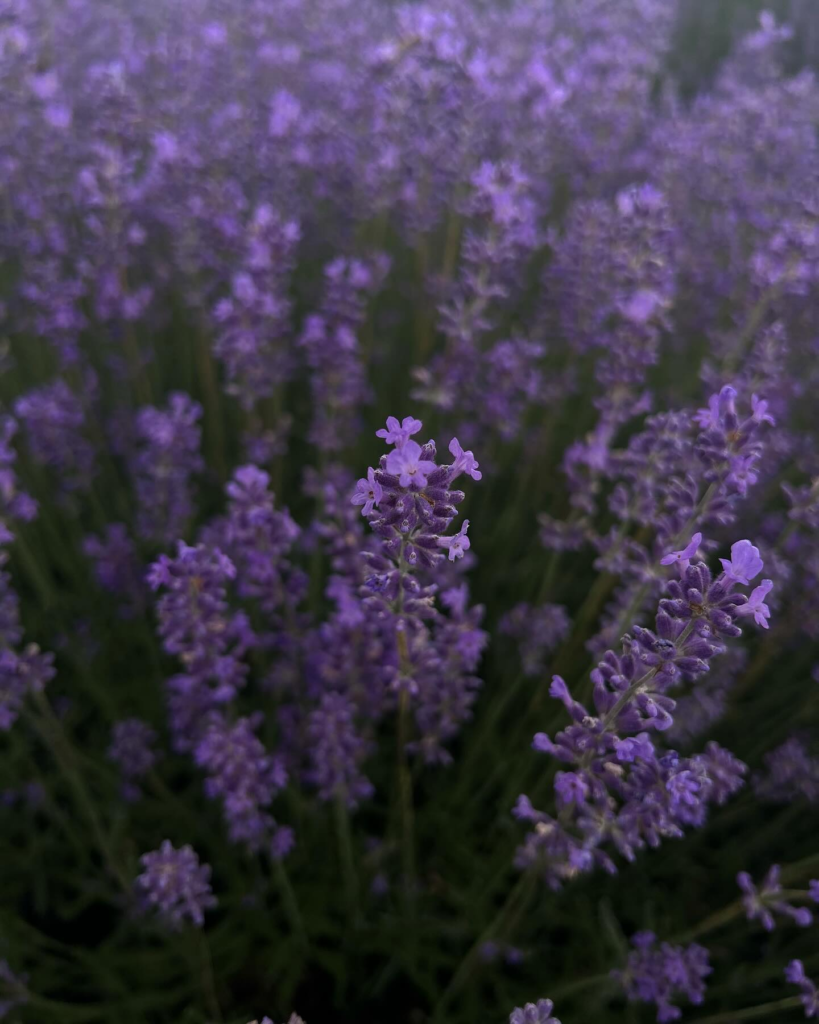
Lavender might not be the first plant you think of for a kitchen, but I love it for its fragrance. A small pot on the counter or near a window fills the room with a calming aroma.
I use its flowers for teas or desserts, and even just seeing it makes the kitchen feel peaceful. Lavender is low-maintenance, and its delicate purple blooms add color and elegance, making cooking a more enjoyable experience.
12. Spinach
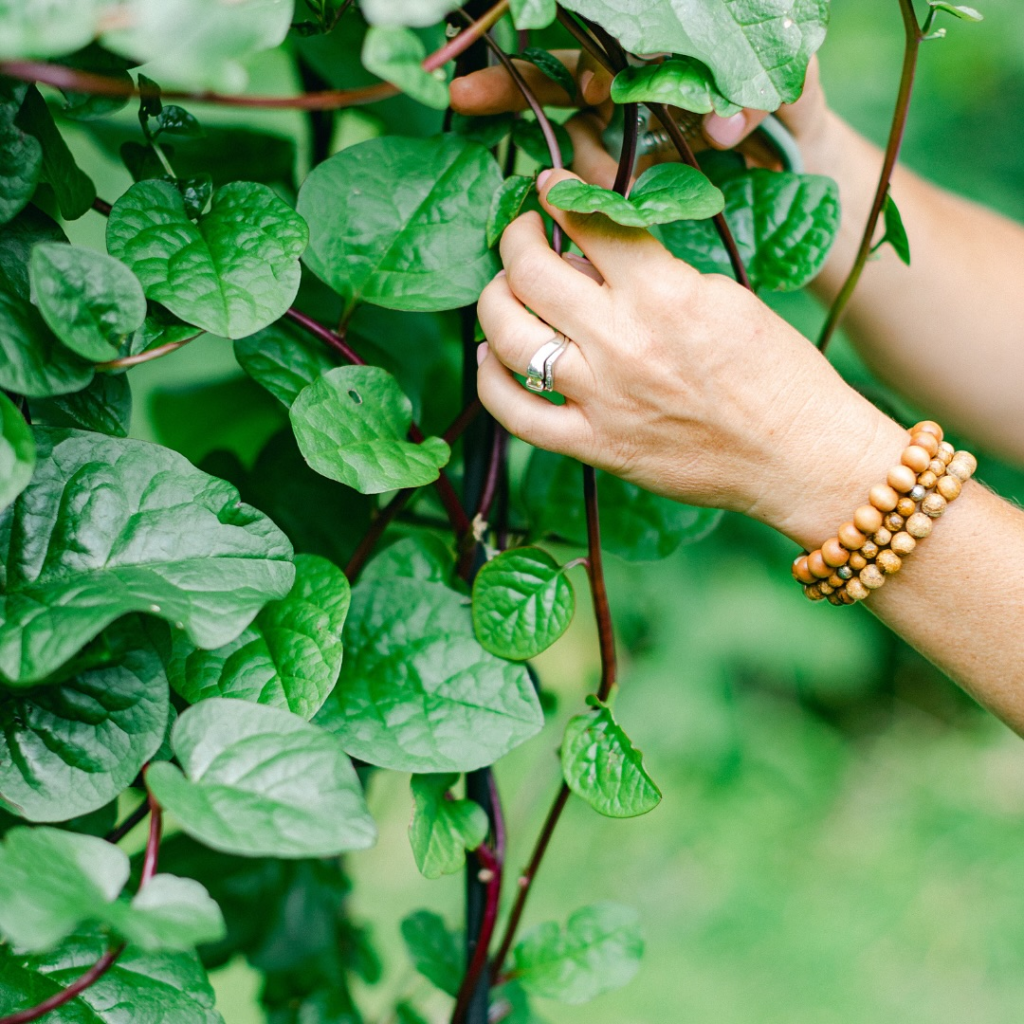
Growing spinach in small indoor pots has been surprisingly rewarding. I like having fresh leaves for salads or omelets, and it feels like a mini-garden inside my kitchen.
Spinach grows quickly, and I often harvest leaves gradually, which keeps the plant producing for weeks.
It’s practical, nutritious, and visually appealing with its vibrant green leaves. For me, it’s a simple way to combine healthy eating with a touch of greenery.
13. Cherry Tomatoes
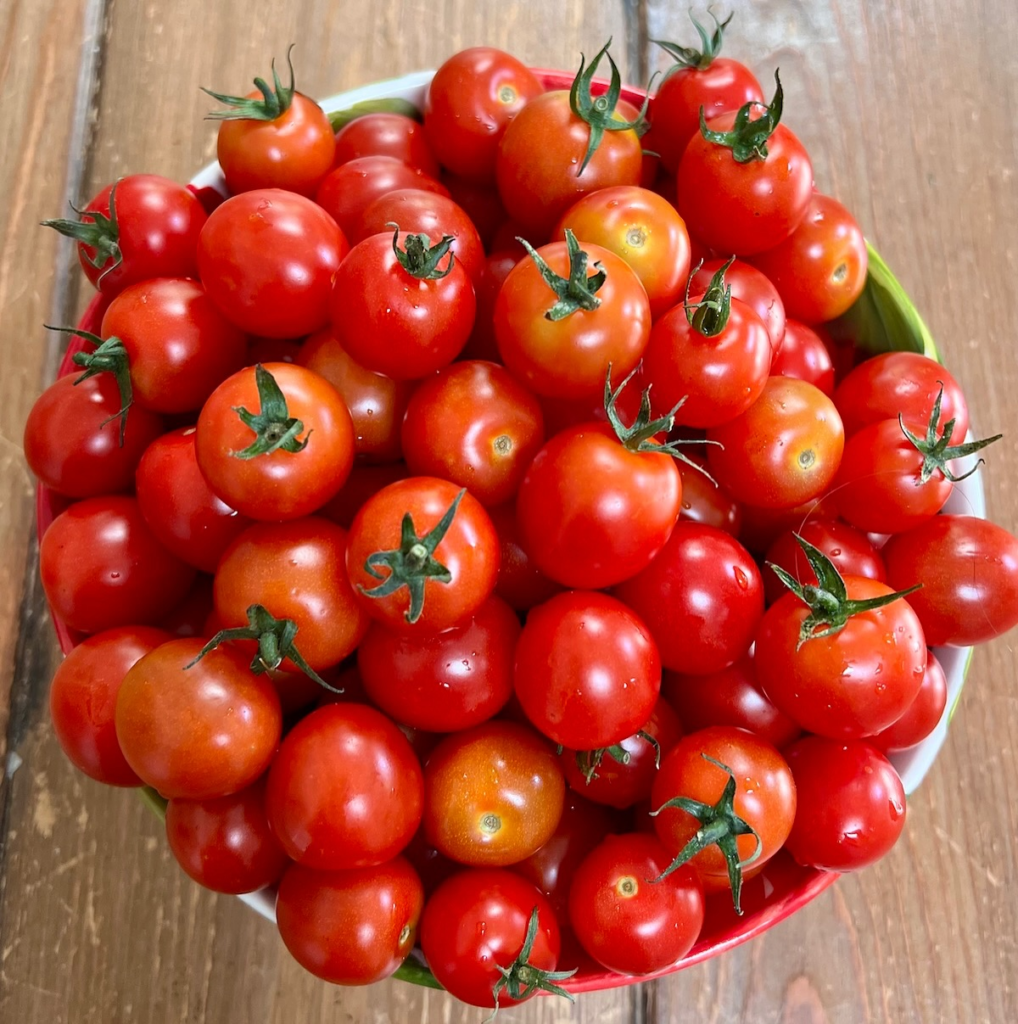
I’ve had so much fun growing cherry tomatoes indoors. A small pot by a sunny window produces tiny, sweet tomatoes that are perfect for snacking or tossing in salads.
Watching the little red fruits develop gives me a sense of accomplishment. They brighten the kitchen with color, and having fresh tomatoes within arm’s reach makes cooking more exciting. It’s a plant that’s both decorative and highly rewarding.
14. Peppers
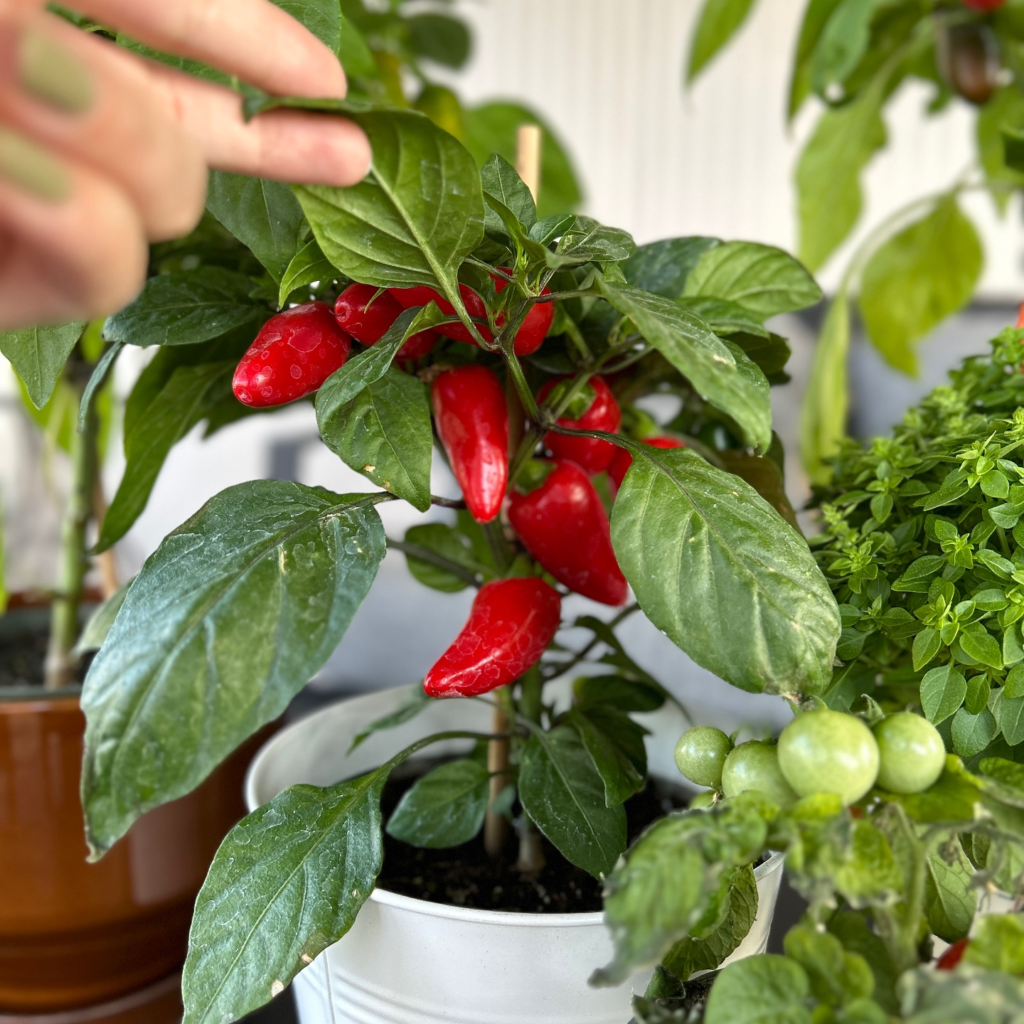
Mini pepper plants are another fun addition. I love seeing the small fruits pop up in various colors, from red to yellow. They thrive in a sunny spot, and I enjoy snipping them for salads, stir-fries, or garnishes.
The plant adds a pop of brightness to my kitchen, and the process of harvesting and using them keeps me engaged in cooking. For me, peppers combine beauty, flavor, and practicality effortlessly.
15. Green Onions
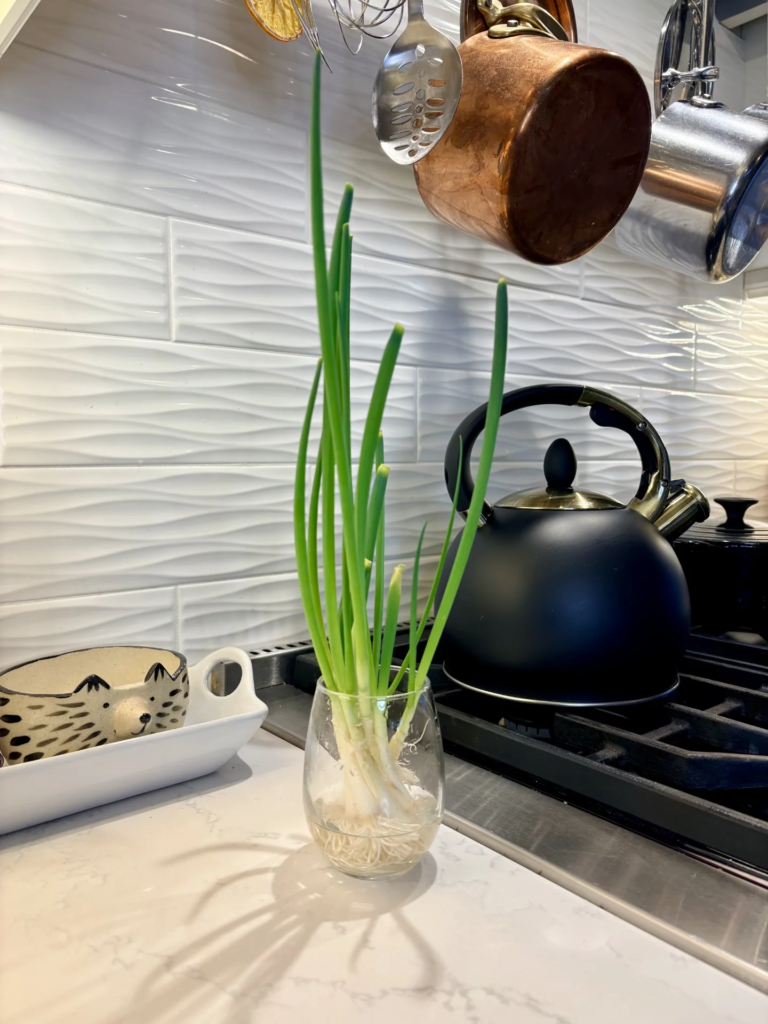
Green onions are a must-have in my kitchen. I grow them in a small container on the counter and love trimming them fresh for soups, omelets, and garnishes. They regrow quickly, which means I rarely need to buy them from the store.
Their vibrant green shoots are cheerful and lively, and having them within reach makes cooking feel convenient and satisfying. Green onions also add a subtle decorative touch to the kitchen.
16. Ferns
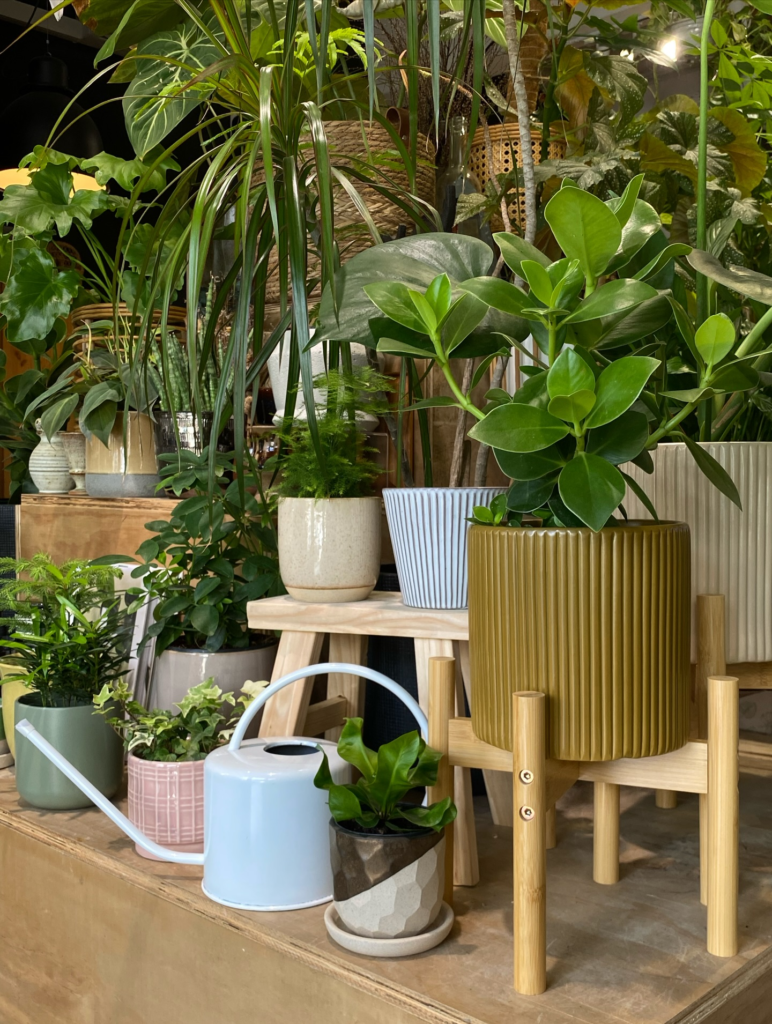
Ferns are my go-to for adding lush greenery that requires minimal care. I place small pots on shelves or hang them in corners to soften the kitchen’s edges. While they aren’t edible, their feathery leaves add texture and freshness to the space.
I find that ferns make the kitchen feel more alive and relaxing, especially when I spend long hours cooking. They are low-maintenance, yet their impact on the atmosphere is significant.
17. Spider Plant
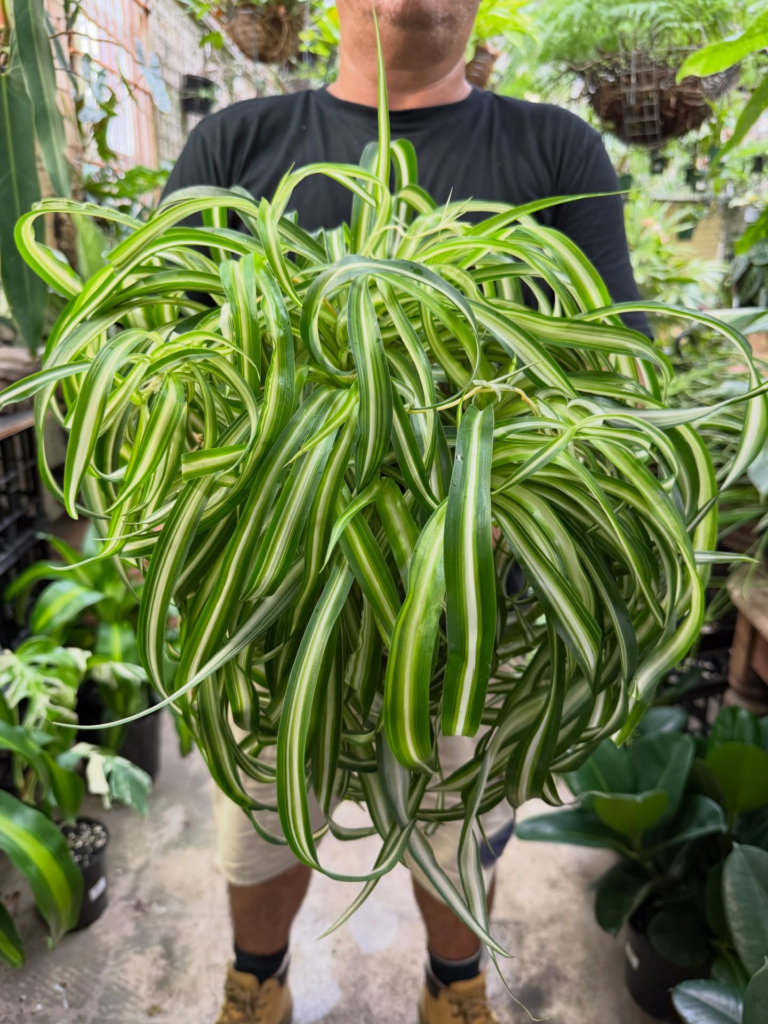
Spider plants are easy to grow and look great in a hanging pot or on a shelf. I like them because they survive in indirect sunlight and don’t need frequent watering.
While they aren’t edible, their long, arching leaves add a graceful look to the kitchen. They give a sense of nature indoors, and I enjoy seeing their little baby shoots develop.
For me, spider plants are simple yet stylish companions for any cooking space.
18. Orchid
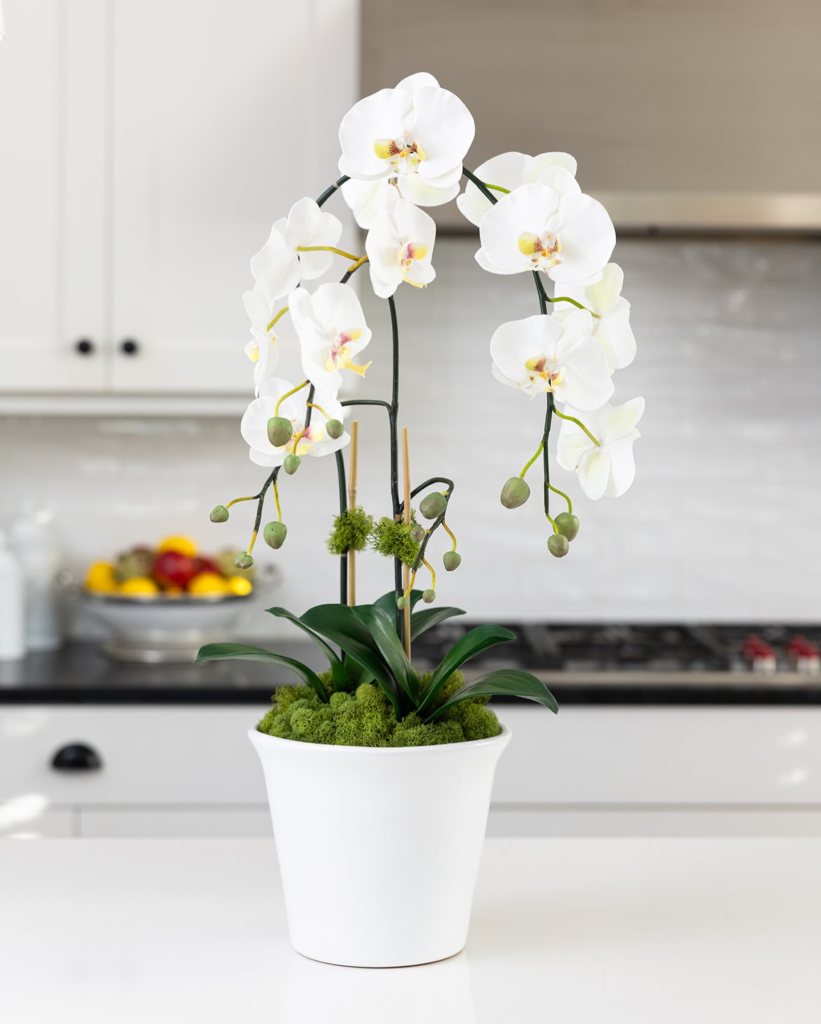
Orchids might seem fancy, but they thrive in a kitchen’s humidity. I like placing mine on the counter where it gets indirect light. Their elegant flowers add a splash of color and sophistication.
While they don’t have culinary uses, orchids make cooking feel special because the environment is more beautiful and serene. For me, they’re a reminder that even small touches can transform the kitchen atmosphere.
19. Peperomia
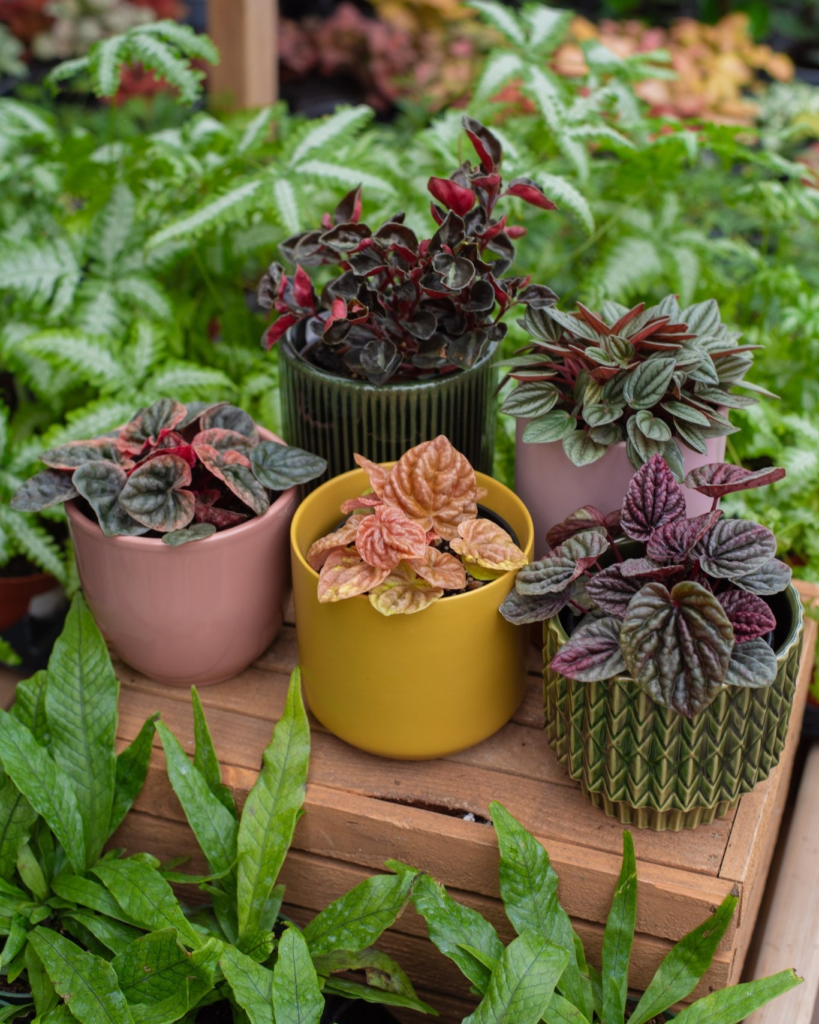
Peperomia is a compact plant that’s perfect for small kitchen corners or shelves. I love its glossy, patterned leaves, which add a decorative flair. It’s very low-maintenance and survives with minimal sunlight.
While it isn’t edible, I find that it brightens the space and makes the kitchen feel more inviting. Peperomia is ideal for anyone who wants greenery without a lot of fuss.
Conclusion
Adding plants to your kitchen is one of the simplest ways to elevate both your space and your cooking. From herbs you can harvest fresh for meals to decorative plants that bring life and color, each choice creates a warmer, more inviting kitchen.
Personally, having these plants has made cooking more enjoyable, relaxing, and inspiring. Start small, experiment with what works for your space, and watch your kitchen transform into a lively, green sanctuary.
FAQs
Q1: How do I keep kitchen plants alive in low light?
Choose plants like ferns, spider plants, or peperomia, which thrive in indirect or low light. Also, rotate them to catch sunlight when possible.
Q2: Can I grow edible herbs indoors year-round?
Absolutely! Herbs like basil, thyme, parsley, and chives do well in pots indoors with regular sunlight and water.
Q3: Do kitchen plants require special soil?
Most kitchen plants grow well in standard potting soil, but herbs prefer well-draining soil, and orchids or aloe require specific mixes for healthy roots.
Q4: Will kitchen plants survive near a stove or sink?
Yes, as long as they are not exposed to extreme heat or constant splashes. Most herbs handle normal kitchen conditions well.
Q5: How often should I water my kitchen plants?
It varies by plant. Herbs generally need water when the soil feels dry, while ferns and spider plants prefer slightly moist soil. Overwatering can be more harmful than underwatering.