20 Backyard Landscaping Ideas for Sustainable Outdoor Living Spaces
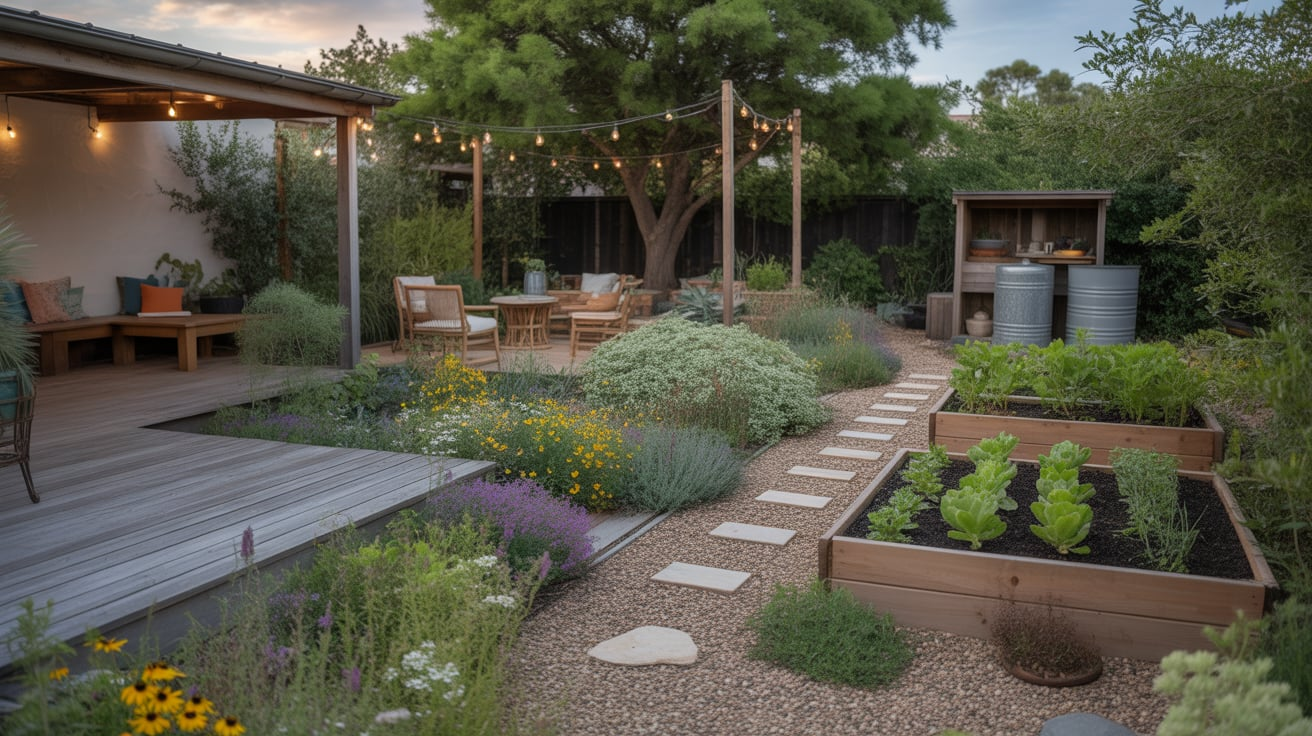
Creating a sustainable backyard isn’t just about making your outdoor area beautiful—it’s about designing a space that respects the environment, conserves resources, and promotes a healthier lifestyle.
With eco-friendly landscaping, you can reduce water usage, minimize waste, and support local wildlife, all while enjoying a stylish and functional outdoor retreat.
1. Choose Native Plants
Native plants are the cornerstone of sustainable landscaping. They thrive in your local climate, require less water and maintenance, and support pollinators like bees and butterflies. Look for drought-tolerant species suited to your region for a naturally resilient garden.
Pro tip: Group plants with similar water needs together to reduce overwatering and ensure efficient irrigation.
2. Install a Rainwater Harvesting System
Why let all that rain go to waste? Collecting rainwater in barrels or cisterns allows you to reuse it for watering plants or cleaning outdoor surfaces. It’s an easy way to cut down on water bills and conserve resources.
Bonus: Many rain barrels come with attractive designs that can enhance your backyard aesthetics.
3. Create a Drought-Tolerant Garden
A xeriscape or drought-tolerant garden uses minimal water and maintenance while staying lush and vibrant. Mix gravel, succulents, ornamental grasses, and hardy shrubs to create texture and color without the need for constant watering.
Try this: Add decomposed granite pathways for a natural, earthy look that complements your water-wise plants.
4. Build a Green Roof or Living Wall
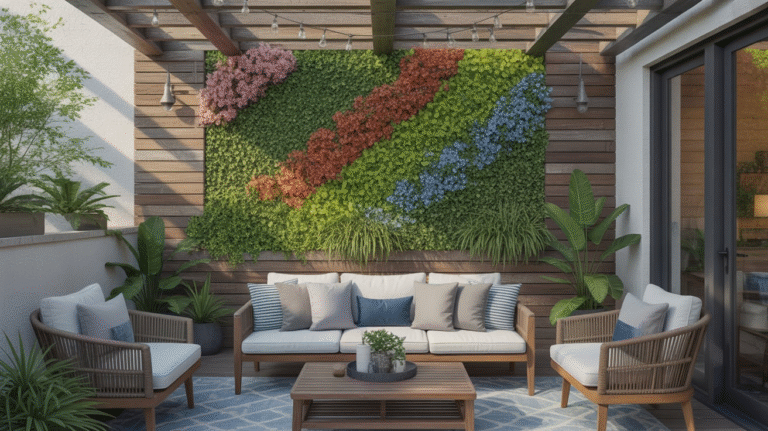
Bring greenery into every corner of your outdoor space by installing a living wall or green roof on sheds, pergolas, or fences. These features help insulate structures, absorb rainwater, and purify the air—plus they make a striking visual statement.
Eco bonus: Use recycled planters or modular systems to keep the project even more sustainable.
5. Incorporate Permeable Pavers
Traditional concrete patios and driveways block water from soaking into the soil, leading to runoff and erosion. Permeable pavers—like gravel, stone, or porous bricks—allow water to seep through, replenishing groundwater and reducing puddling.
Style tip: Combine stone pavers with creeping ground cover plants for a charming, cottage-inspired look.
6. Use Reclaimed or Recycled Materials
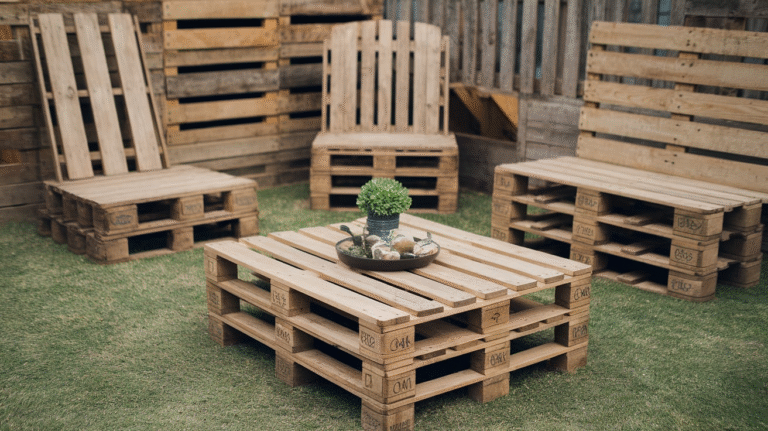
Before buying new, see what materials you can reuse. Reclaimed wood, recycled metal, or salvaged stone can be repurposed into decking, garden edging, or furniture. Not only does this reduce waste, but it also adds character and uniqueness to your space.
Inspiration: Turn old pallets into vertical planters or garden benches.
7. Add a Composting Station
Composting is one of the easiest ways to live sustainably. It turns kitchen scraps and yard waste into nutrient-rich soil for your garden, reducing landfill waste and improving plant health.
Pro tip: Choose a covered compost bin to keep pests away and accelerate decomposition.
8. Install Solar Lighting
Ditch the energy-hungry electric lights and switch to solar-powered lighting. From string lights and path markers to lanterns and spotlights, solar lighting is versatile, cost-effective, and perfect for creating nighttime ambiance.
Design tip: Use warm solar lights around seating areas for a cozy, inviting glow.
9. Grow Your Own Food
Nothing is more sustainable than producing your own food. Create a vegetable garden, herb spiral, or raised beds for fruits and greens. It reduces your carbon footprint and adds a rewarding touch to your backyard.
Eco-enhancement: Companion planting (like basil near tomatoes) helps repel pests naturally and boosts plant growth.
10. Attract Pollinators with Wildflowers
Transform a portion of your yard into a pollinator-friendly meadow. Wildflowers attract bees, butterflies, and hummingbirds, all essential for healthy ecosystems. They also require little maintenance once established.
Plant picks: Lavender, coneflower, milkweed, and black-eyed Susans are popular eco-friendly choices.
11. Build a Natural Pond or Water Feature
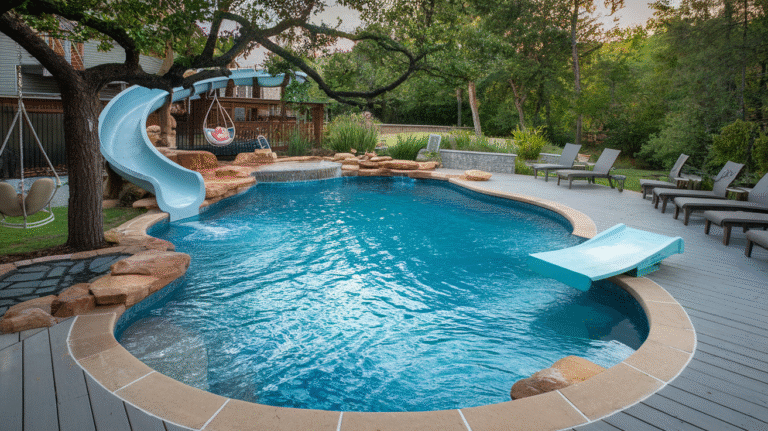
Instead of a chlorine pool or a fountain that wastes water, go natural with a wildlife pond. These ponds support frogs, dragonflies, and birds while creating a tranquil, cooling effect in your backyard.
Sustainability tip: Use solar pumps and native aquatic plants to maintain water quality naturally.
12. Incorporate Edible Landscaping
Combine beauty and function by planting edible landscapes—shrubs that produce berries, fruit trees, or herbs integrated into decorative beds. This sustainable design approach makes your yard both stunning and productive.
Ideas: Try blueberry bushes as borders or rosemary hedges for fragrant, useful greenery.
13. Create Shade Naturally
Instead of installing plastic awnings, plant shade trees or train vines over a pergola to create natural cooling zones. Trees help reduce heat, lower energy costs, and improve air quality.
Green picks: Oak, maple, and sycamore trees offer broad canopies; fast-growing vines like wisteria or jasmine provide quick shade.
14. Use Mulch to Conserve Moisture
Organic mulch helps retain soil moisture, prevent erosion, and suppress weeds. It also enriches the soil as it decomposes. Use wood chips, straw, or compost instead of synthetic options.
Eco tip: Spread mulch around trees and flower beds to reduce the need for constant watering.
15. Opt for Drip Irrigation Systems
Drip irrigation delivers water directly to the plant roots, minimizing waste and evaporation. It’s far more efficient than traditional sprinklers and can be automated with timers for convenience.
Pro tip: Combine with moisture sensors for even more water savings.
16. Design Wildlife Habitats
Encourage biodiversity by making your backyard a haven for wildlife. Add birdhouses, bat boxes, and bee hotels to support local species. Choose native shrubs that provide food and shelter throughout the year.
Bonus: A small brush pile or rock mound offers great nesting spots for insects and small mammals.
17. Replace Grass with Ground Covers
Lawns require lots of water, fertilizer, and mowing. Replace them with low-maintenance, drought-resistant ground covers like creeping thyme, clover, or sedum. These alternatives stay green with less effort and support pollinators.
Aesthetic tip: Combine different textures and heights for visual interest.
18. Build with Sustainable Decking Materials
If you’re adding a deck or patio, choose eco-friendly materials such as bamboo, recycled composite lumber, or reclaimed hardwood. They’re durable, stylish, and much more sustainable than traditional treated wood.
Maintenance tip: Use non-toxic stains and sealants to protect your deck without harming the environment.
19. Add a Fire Pit with a Green Twist
Enjoy your outdoor nights responsibly by installing a sustainable fire pit. Choose models that run on bioethanol or natural gas instead of wood, or build one from recycled stone materials.
Bonus: Surround the fire pit with sustainable seating like reclaimed-wood benches or recycled plastic chairs.
20. Integrate Smart Technology for Efficiency
Smart landscaping devices can make sustainability easier. Use smart irrigation controllers, solar sensors, and energy-efficient timers to automate your outdoor systems. You’ll save energy and reduce waste effortlessly.
Future-forward idea: Combine smart lighting and irrigation for a fully connected, eco-friendly outdoor living experience.
Conclusion
Designing a sustainable outdoor space is not about sacrifice—it’s about harmony.From native plants and reclaimed materials to solar lighting and natural water features, every choice you make contributes to a greener, more responsible lifestyle.
Whether your backyard is large or small, embracing sustainability will help you create an outdoor retreat that’s not only beautiful but meaningful.